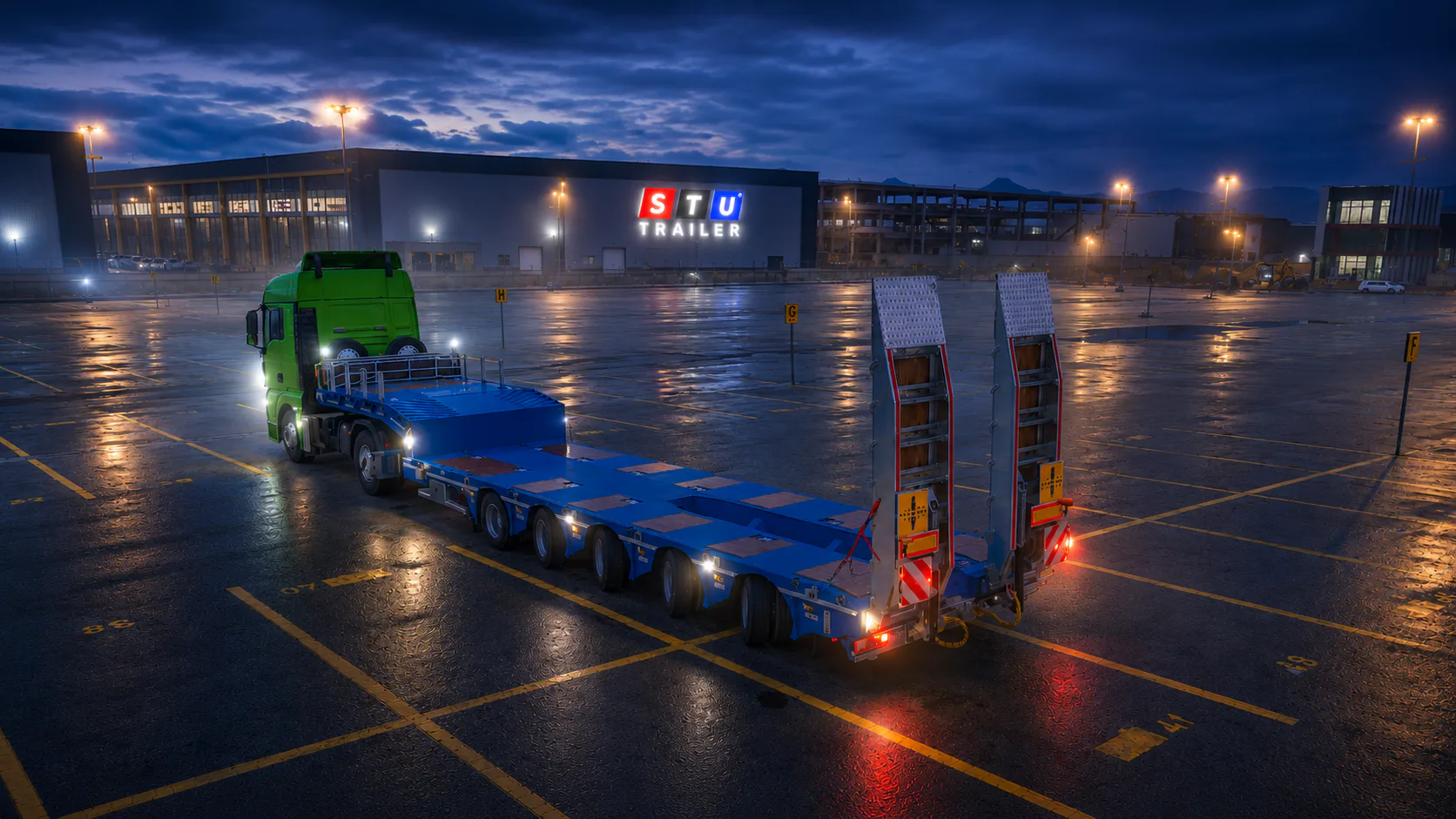
STU TRAILERS®
Strong. Tailored. Uncompromising.
Ingenious Engineering
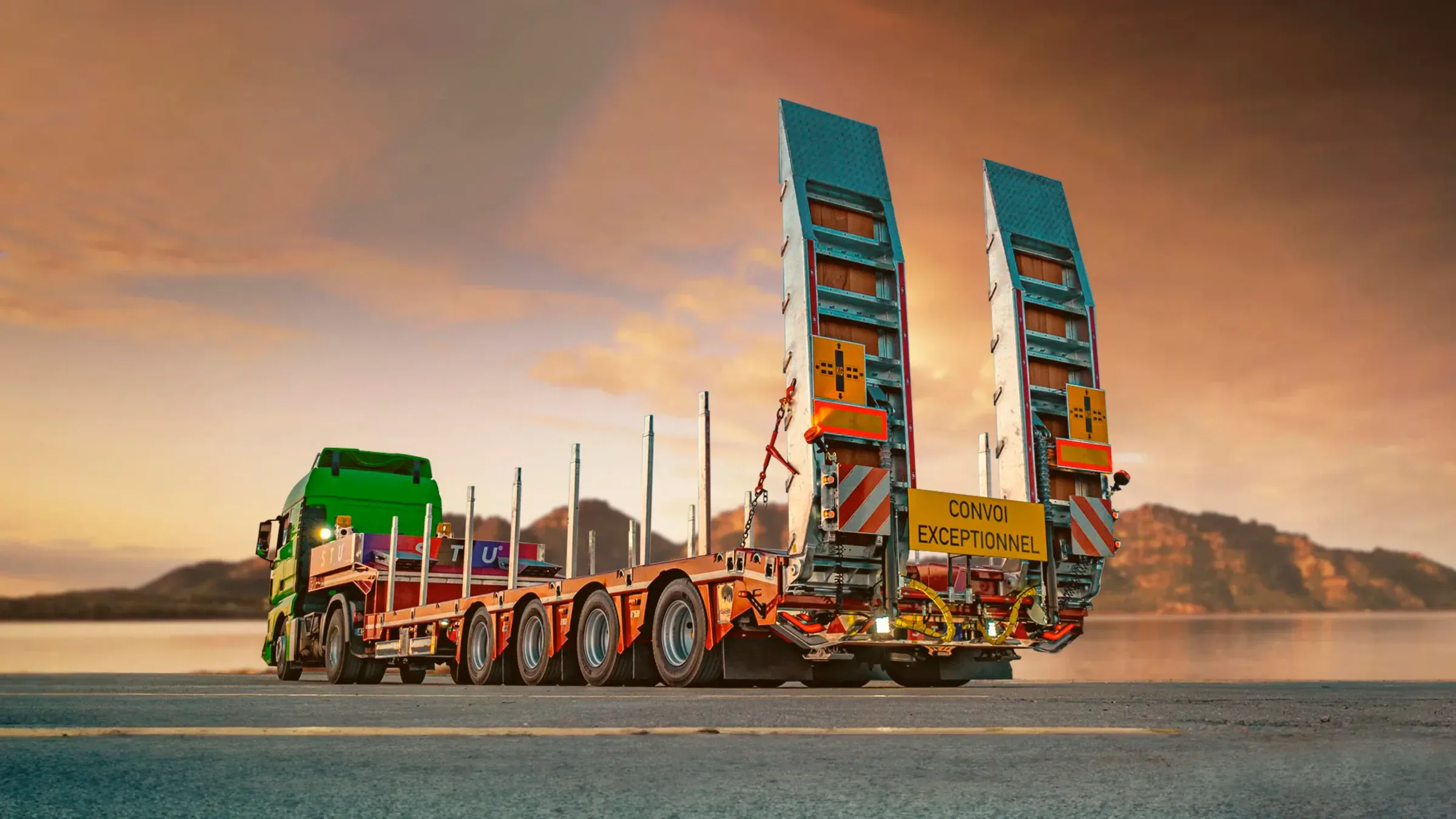
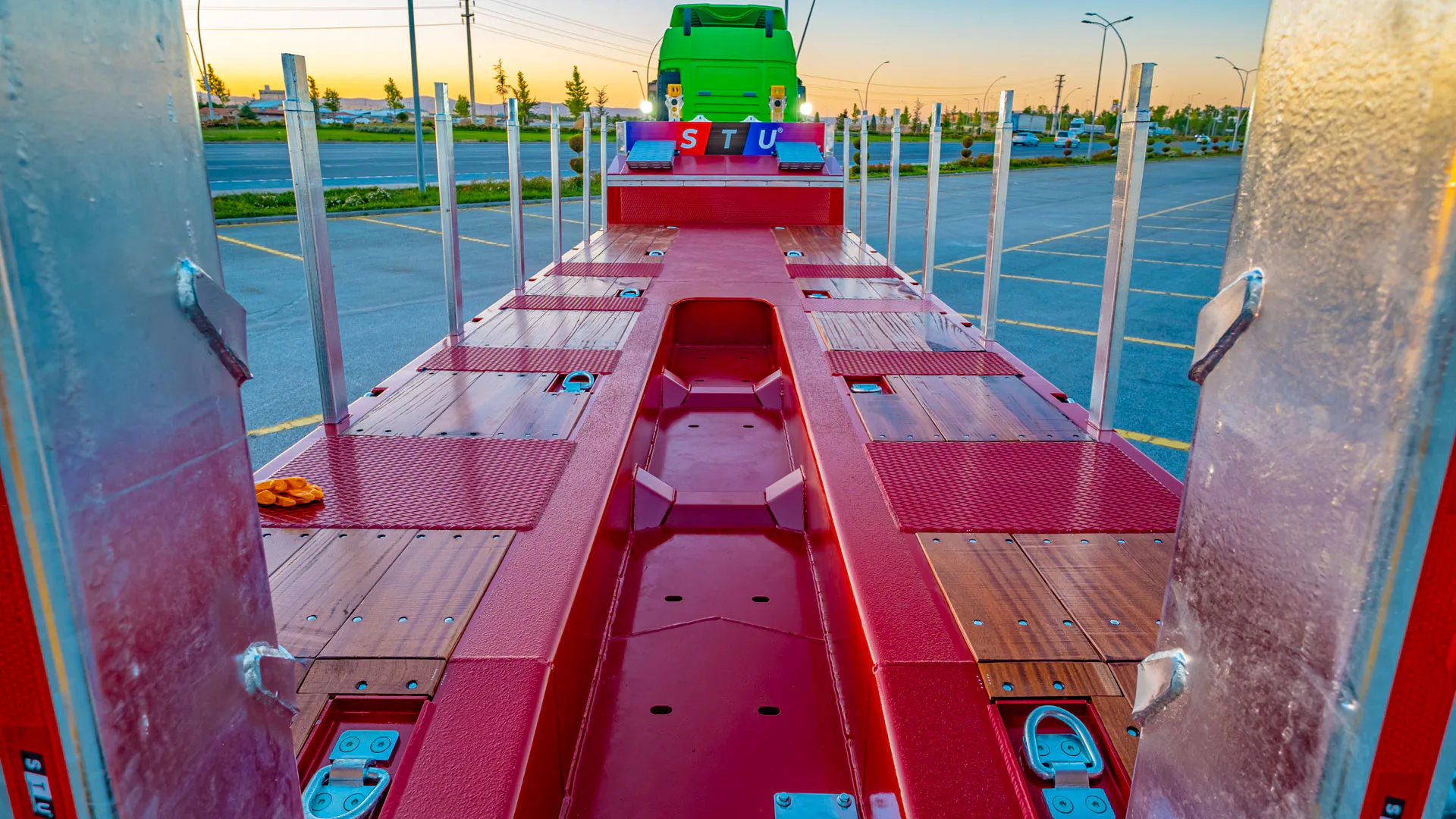
Low Loading Deck
Carries oversized heavy machinery weighing up to 100 tonnes.
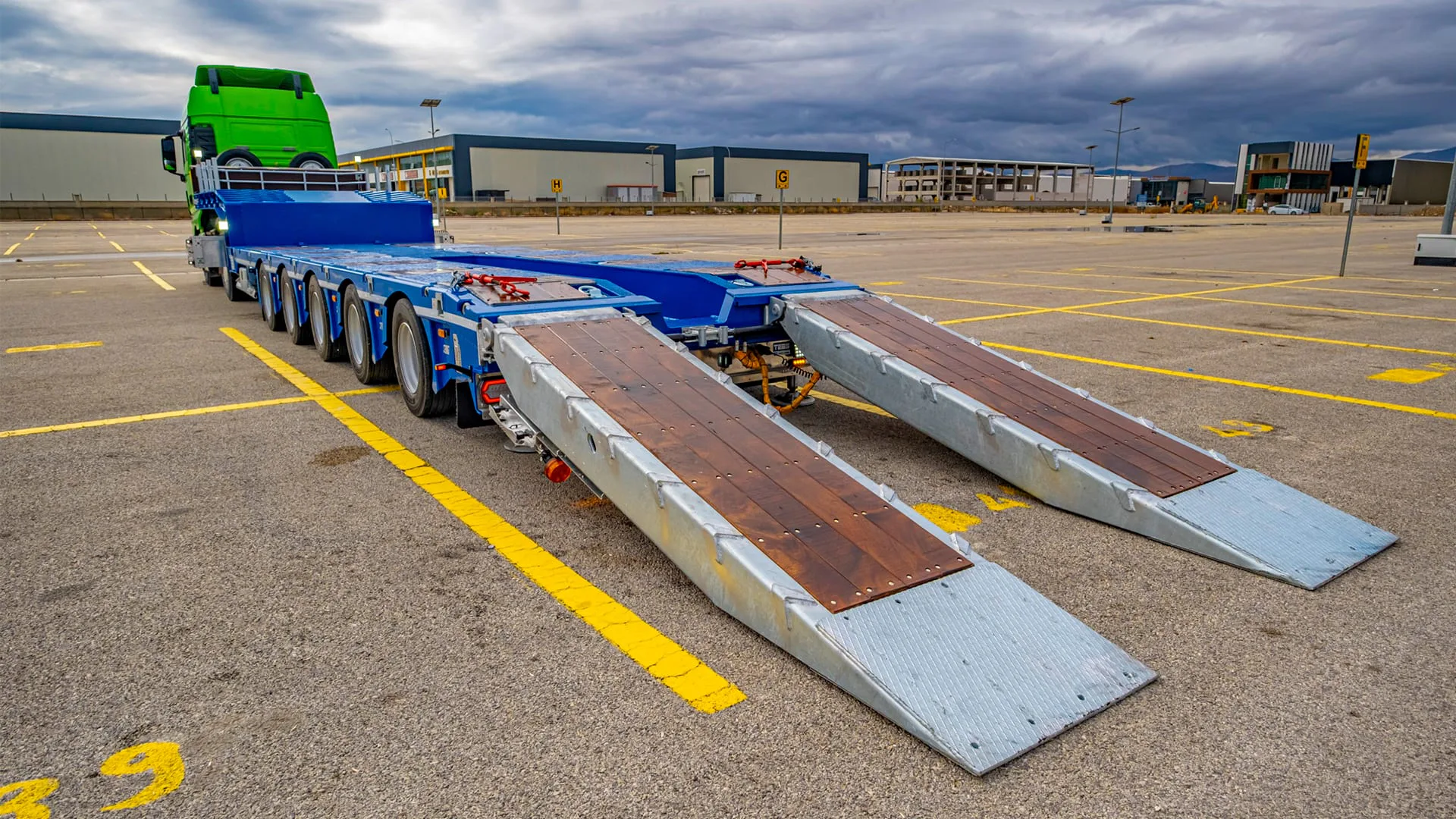
Hydraulic Ramps
Hydraulically operated rear ramps allow tracked and wheeled machinery to be loaded safely onto the deck.
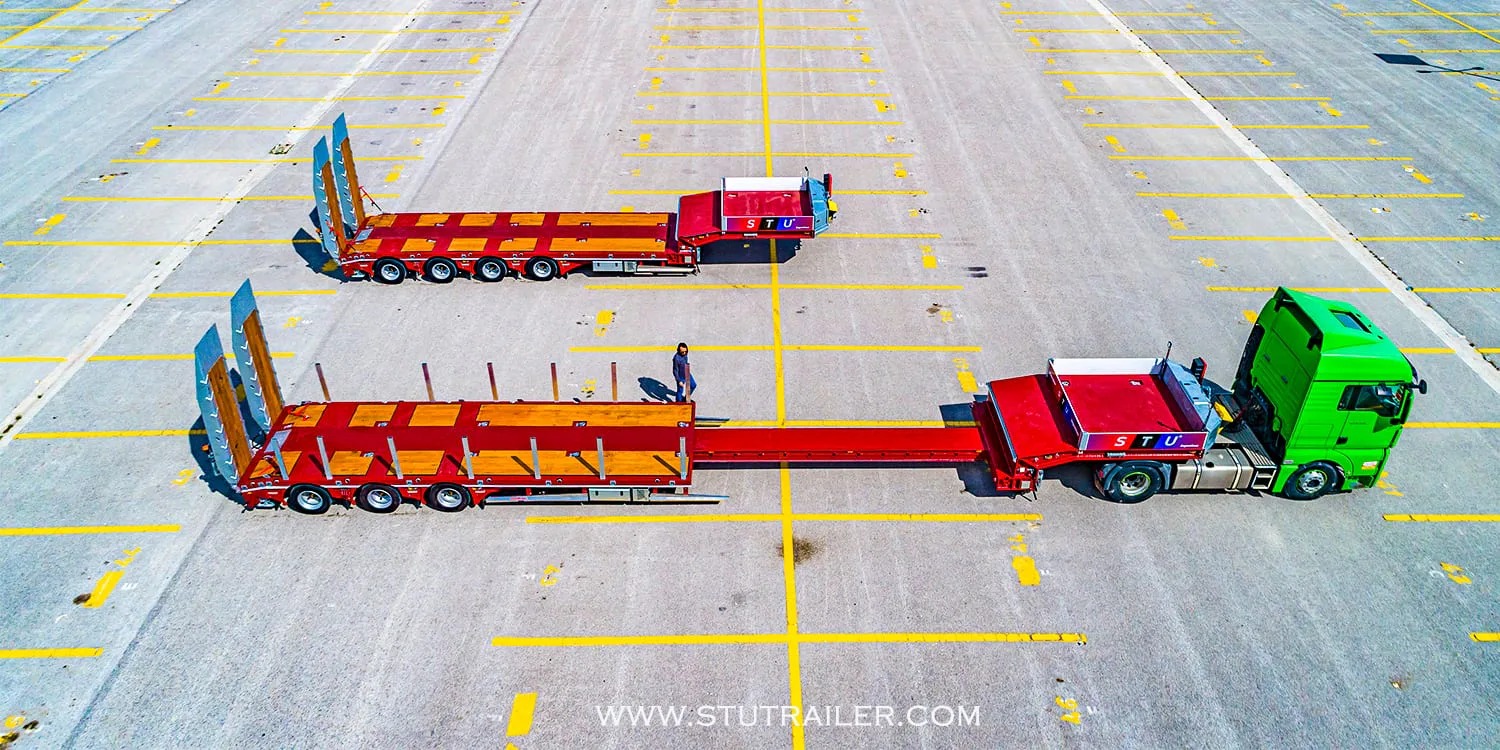
Extendable Frame
Telescopic extension for accommodating varying load lengths without additional trailers.
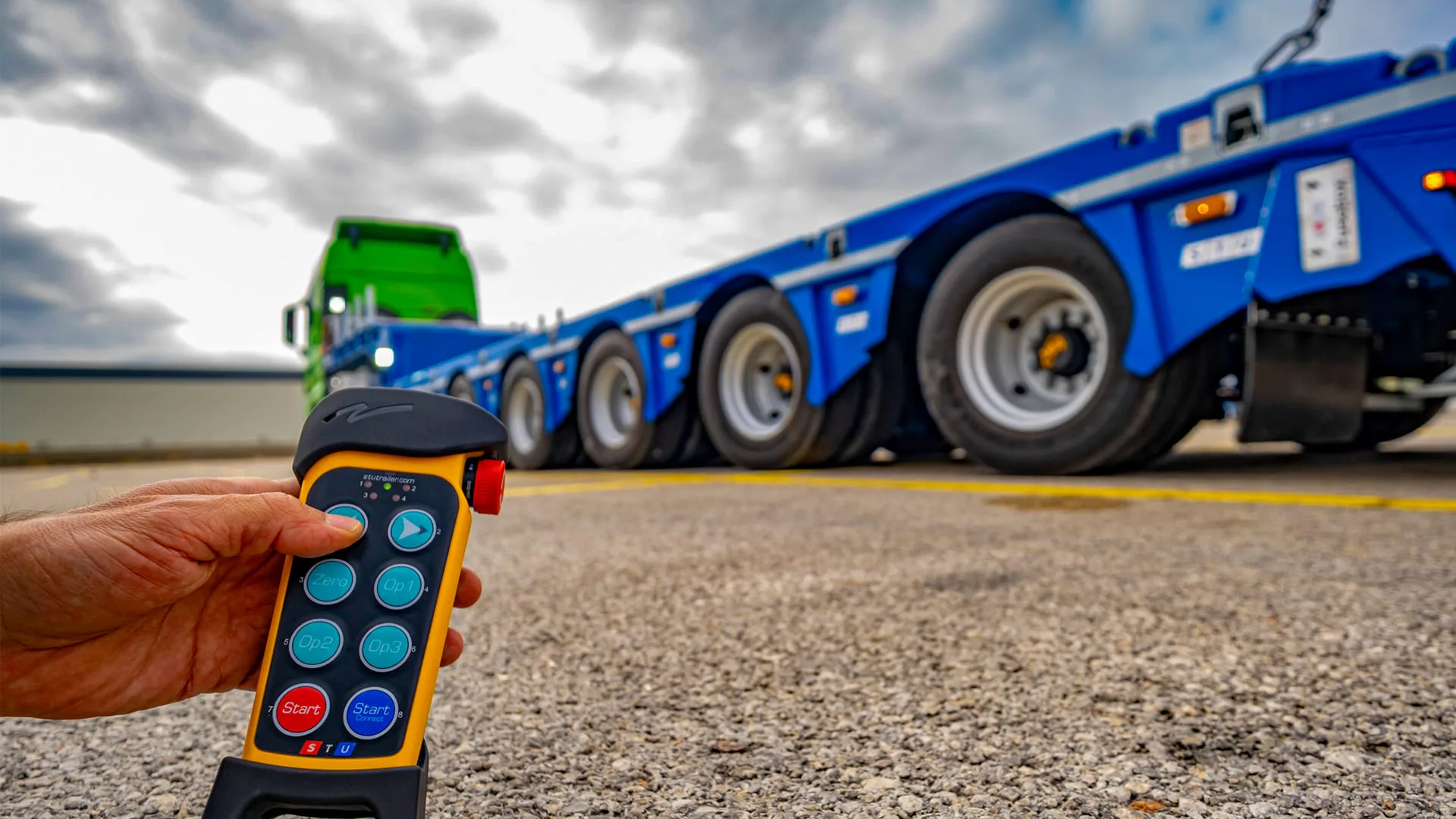
Hydraulic Steering Axles
Independent steering for a tight turning radius and precise manoeuvring on site.
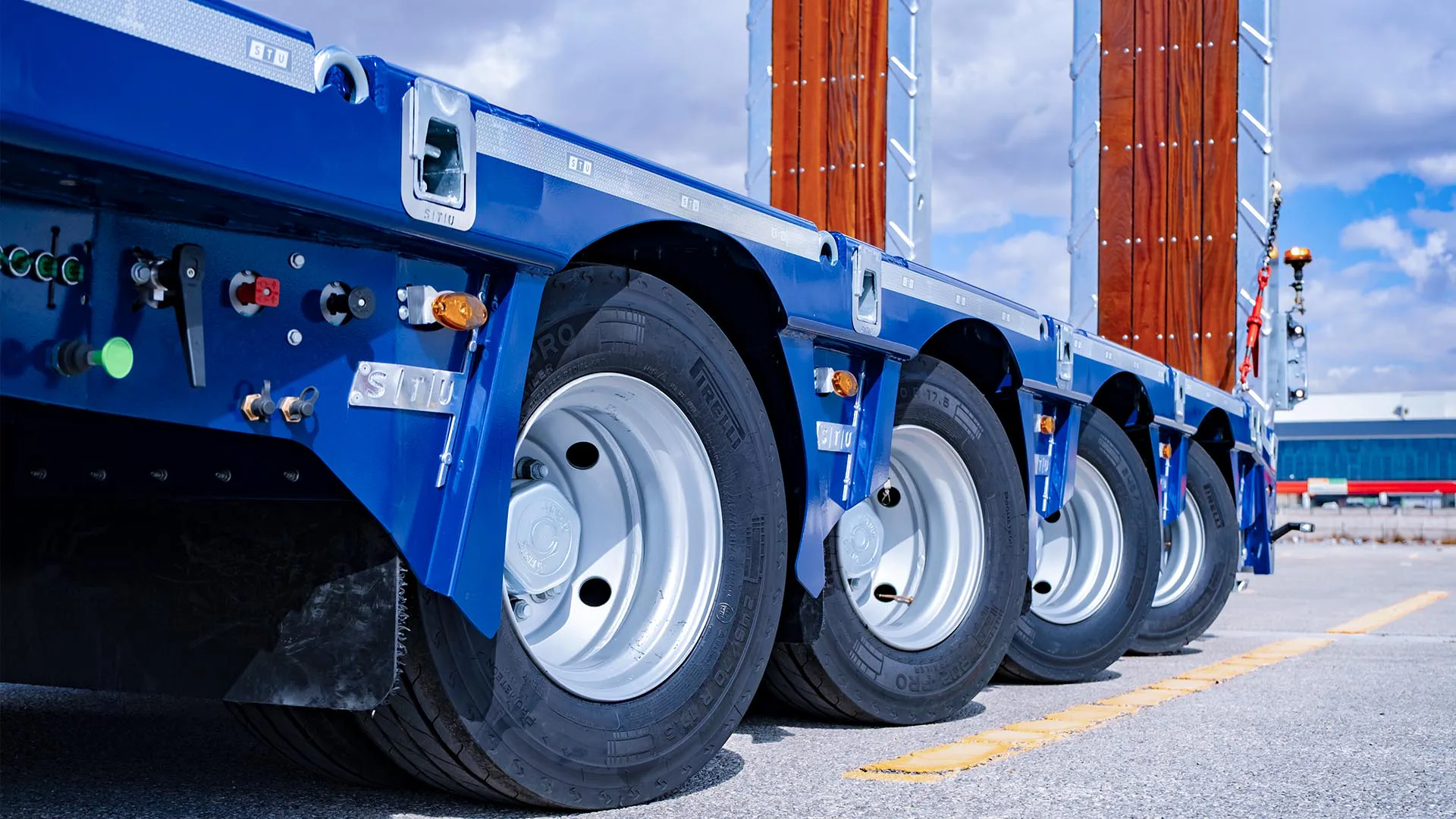
Available Axle Brands
SAF, GIGANT, BPW and TRAX axle options are available by specification.
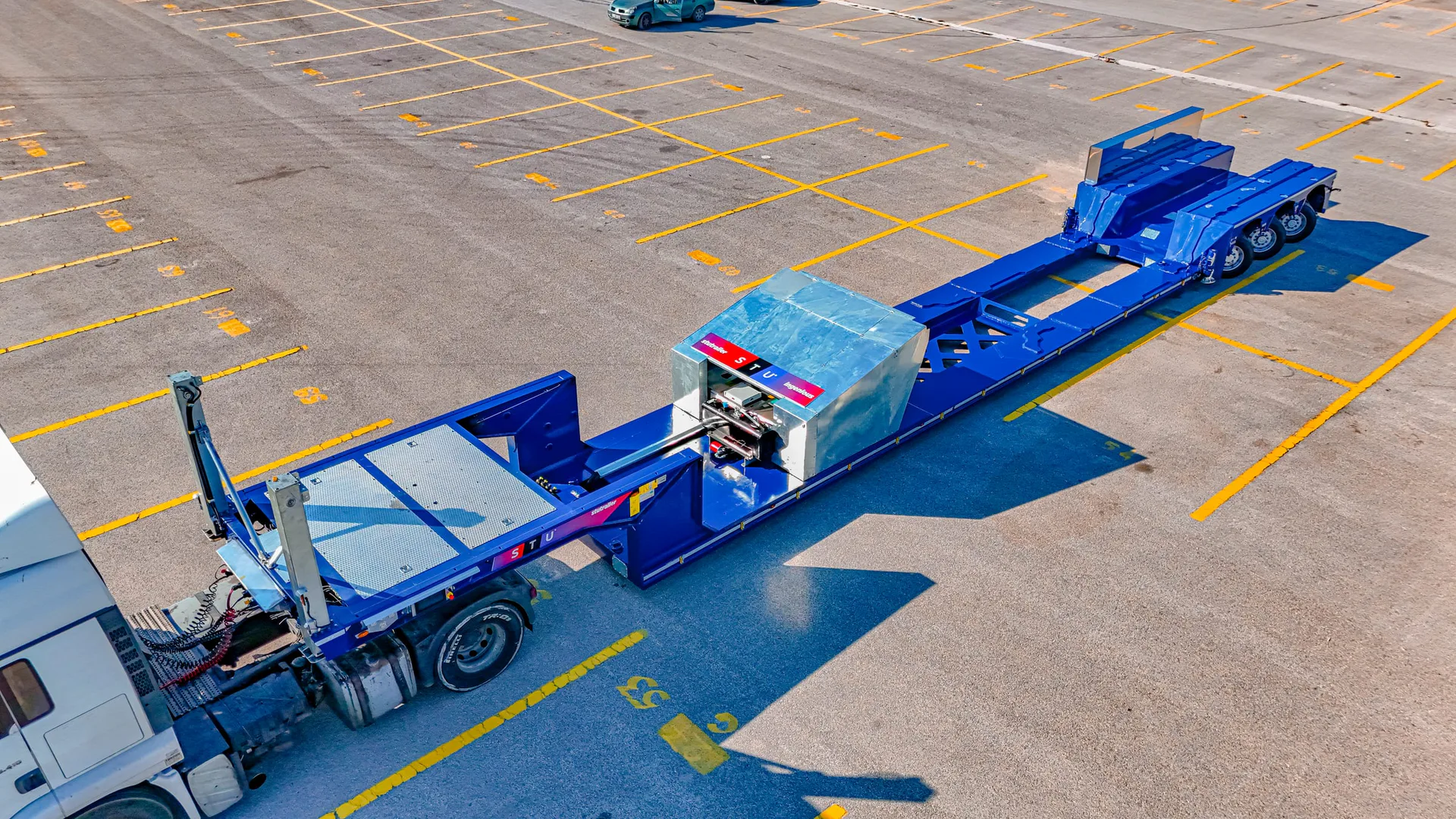
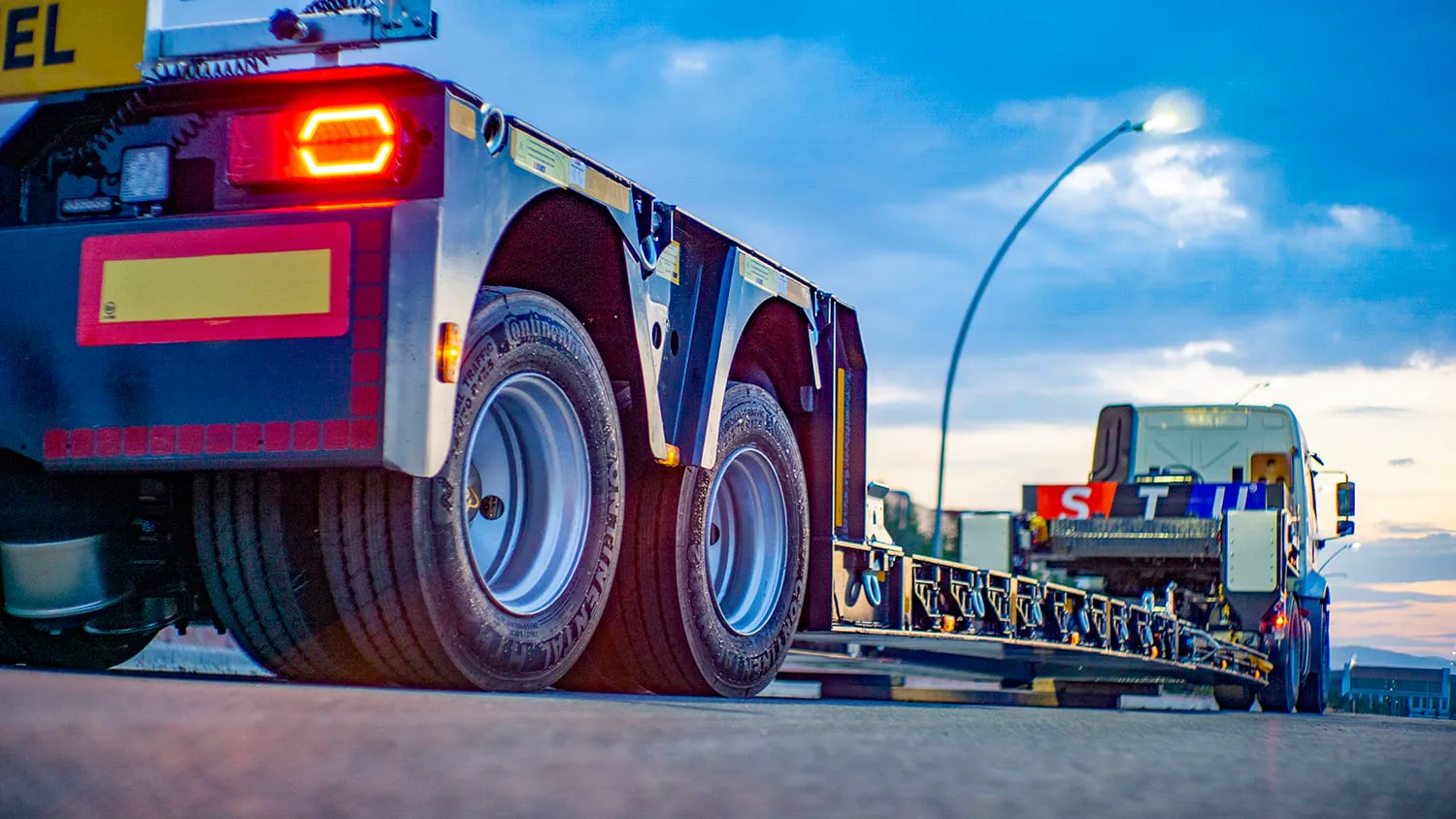
Detachable Hydraulic Gooseneck
Releases quickly so oversized equipment can be loaded from the front.
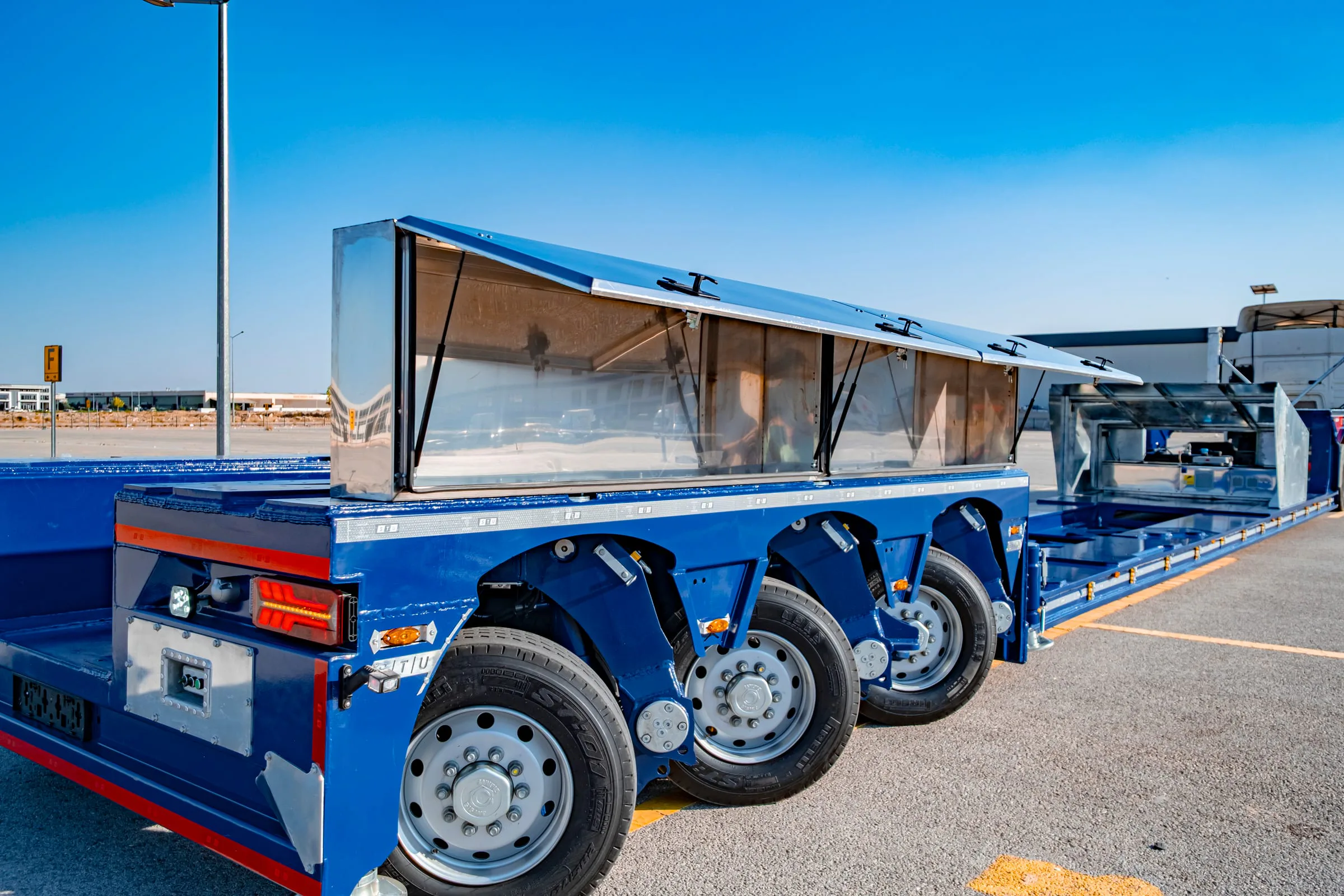
Multiple Axle Configuration
Setups with independent suspension and hydraulic steering.
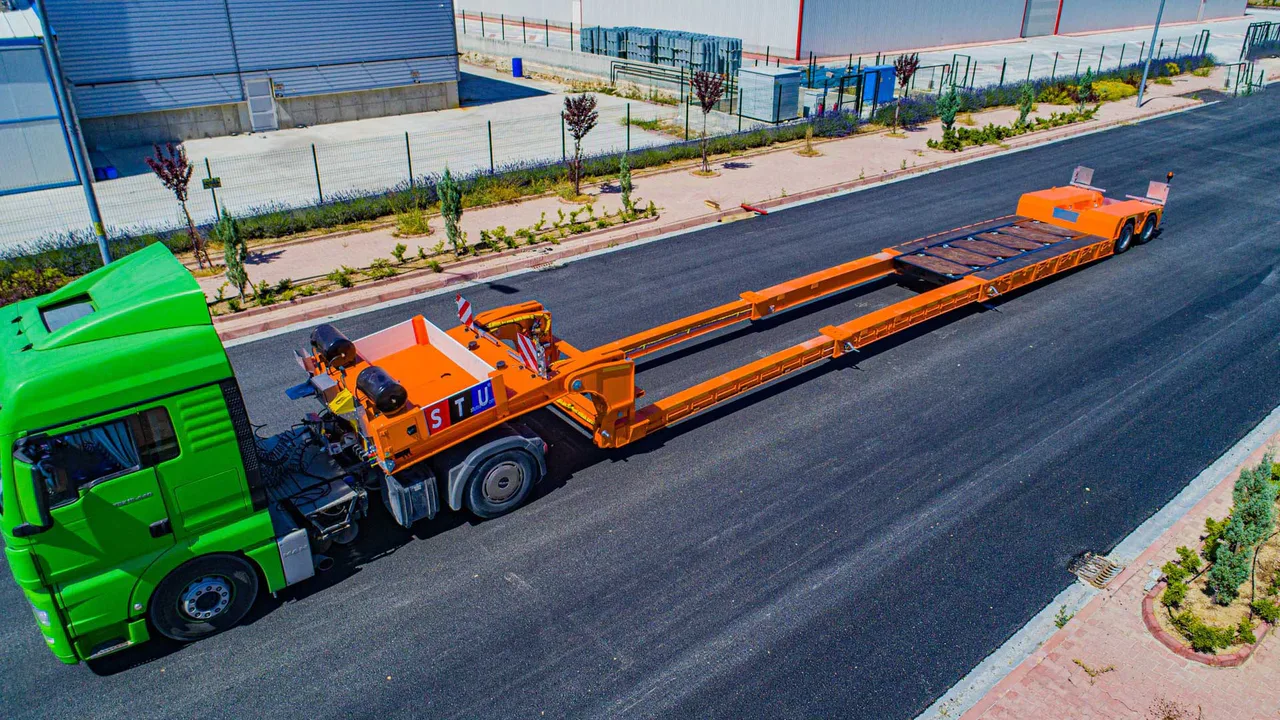
Extendable Platform for Long Transports
Hydraulic outriggers for stable loading and unloading on uneven terrain.
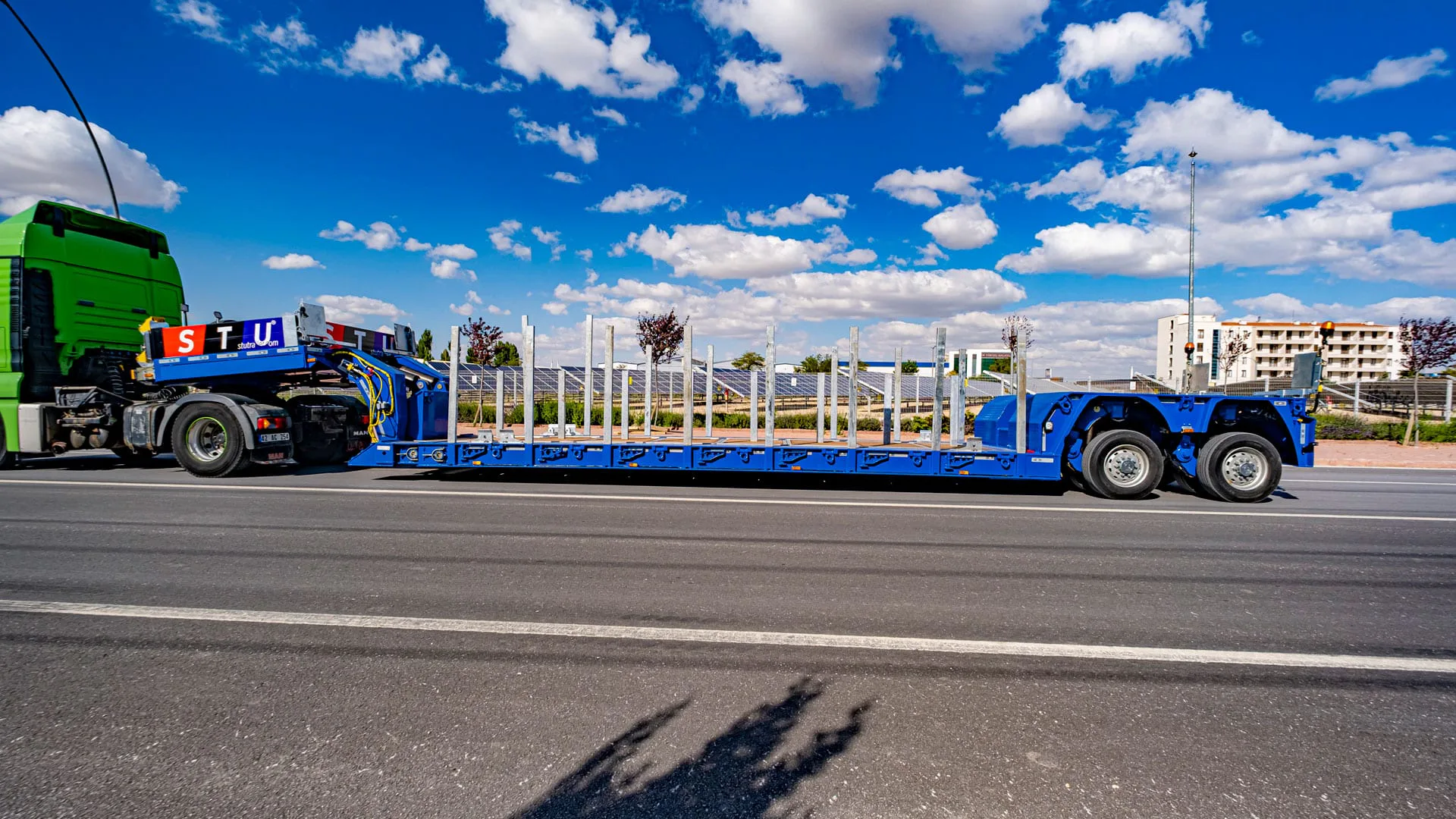
Options for Different Loads
Poles, lashing rings, side widener outriggers and boat holder hydraulic arms.
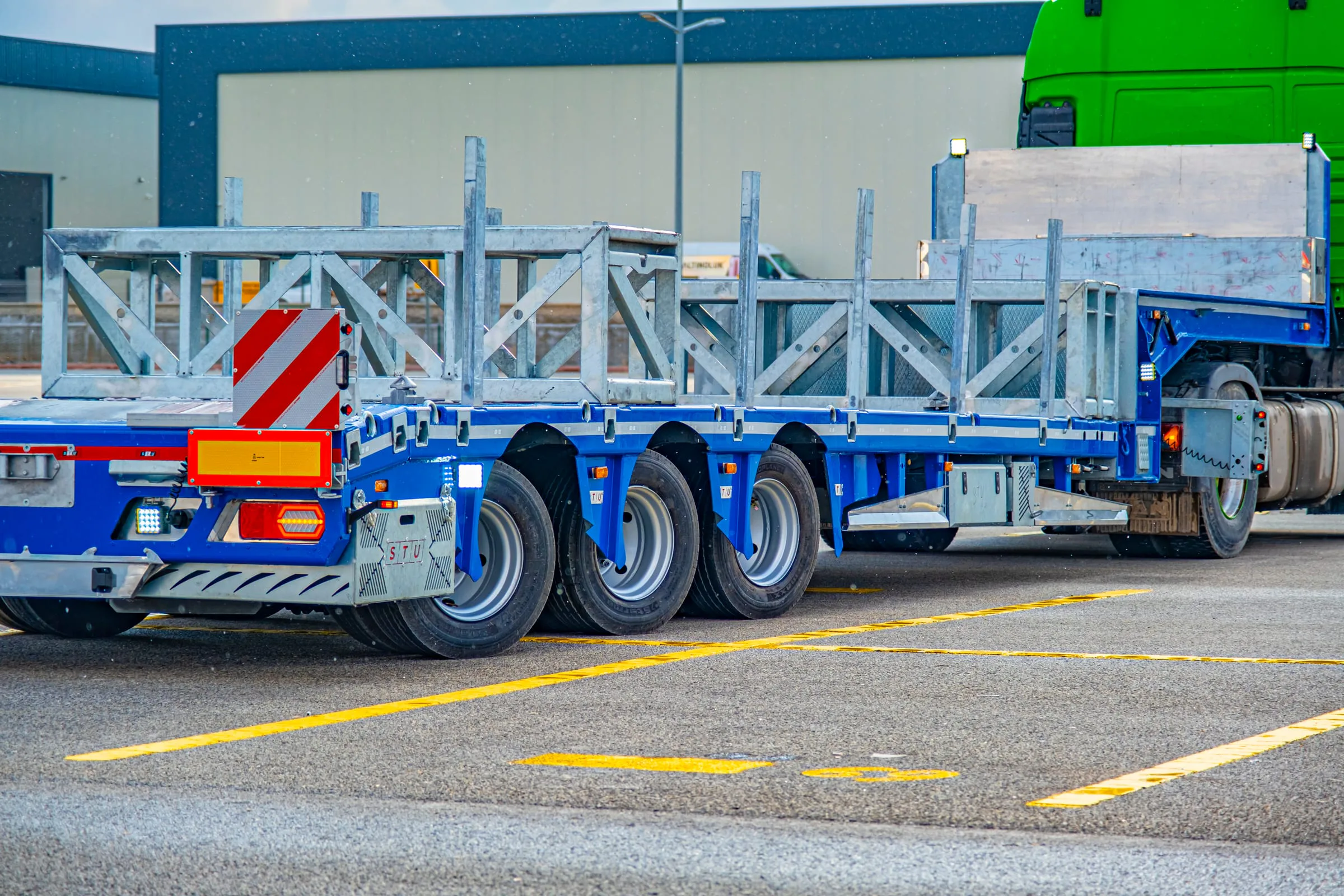
Decks on Extendable Platforms
The deck extends to suit the load, so one trailer covers several lengths.
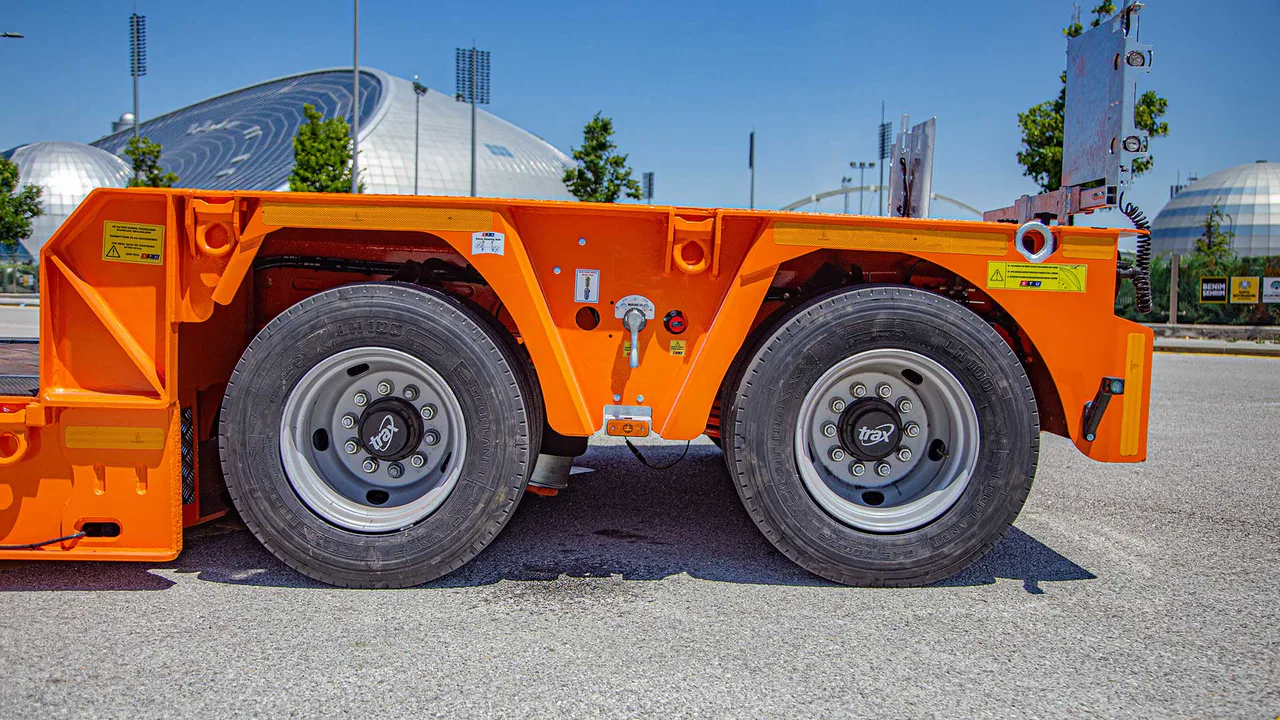
Available Axle Brands
SAF, GIGANT, BPW and TRAX axle options are available by specification.
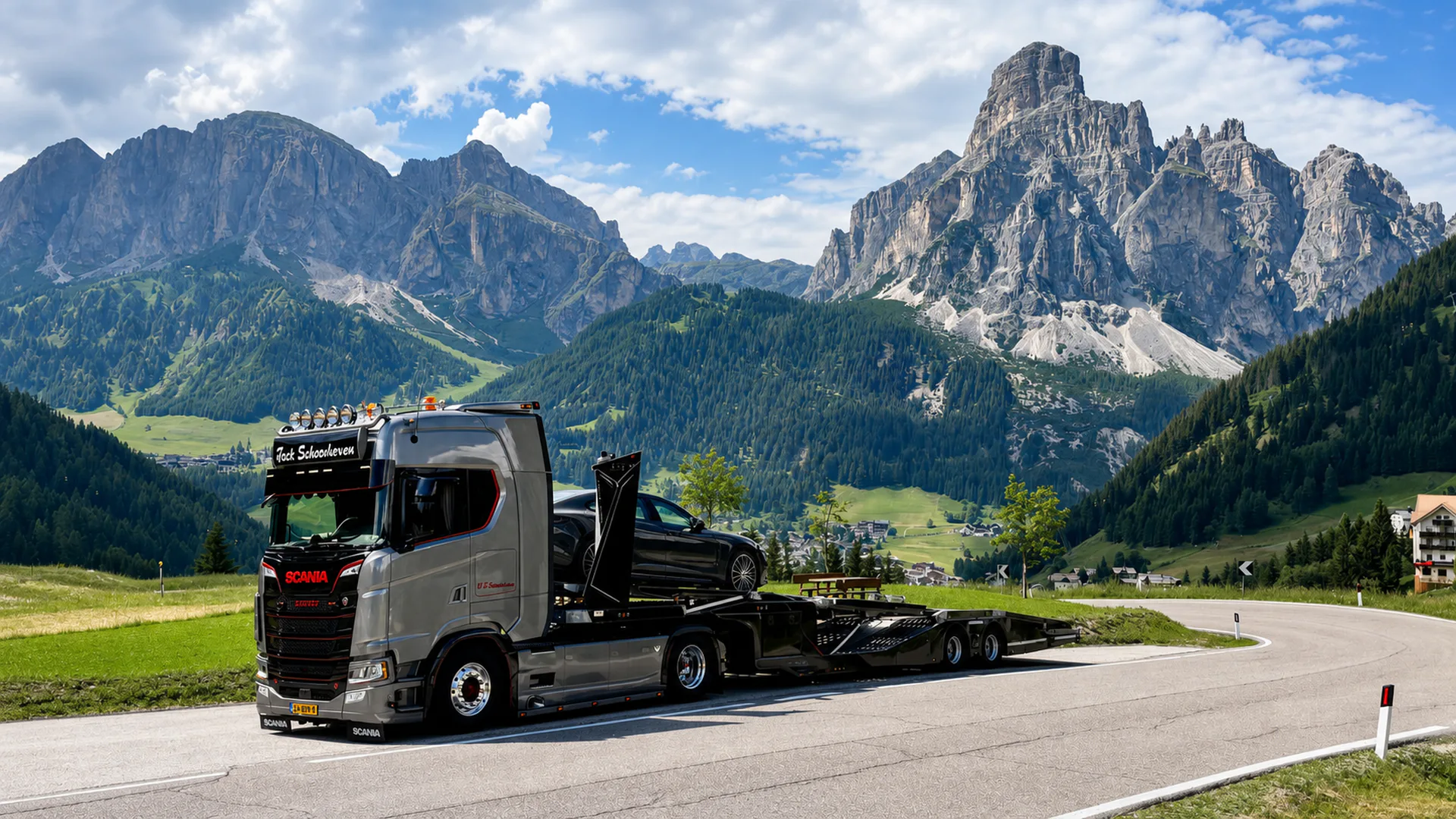
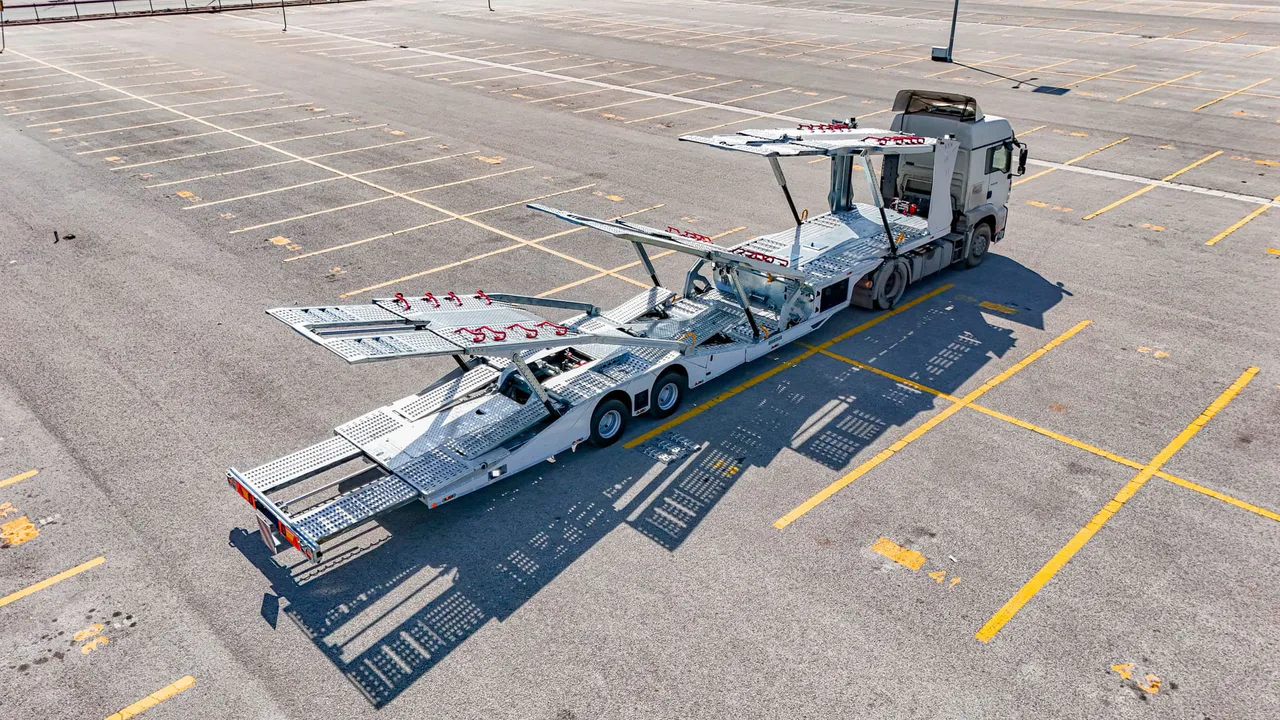
Full Hydraulic Loading System
Raises and lowers each platform smoothly so vehicles can be loaded and unloaded safely.
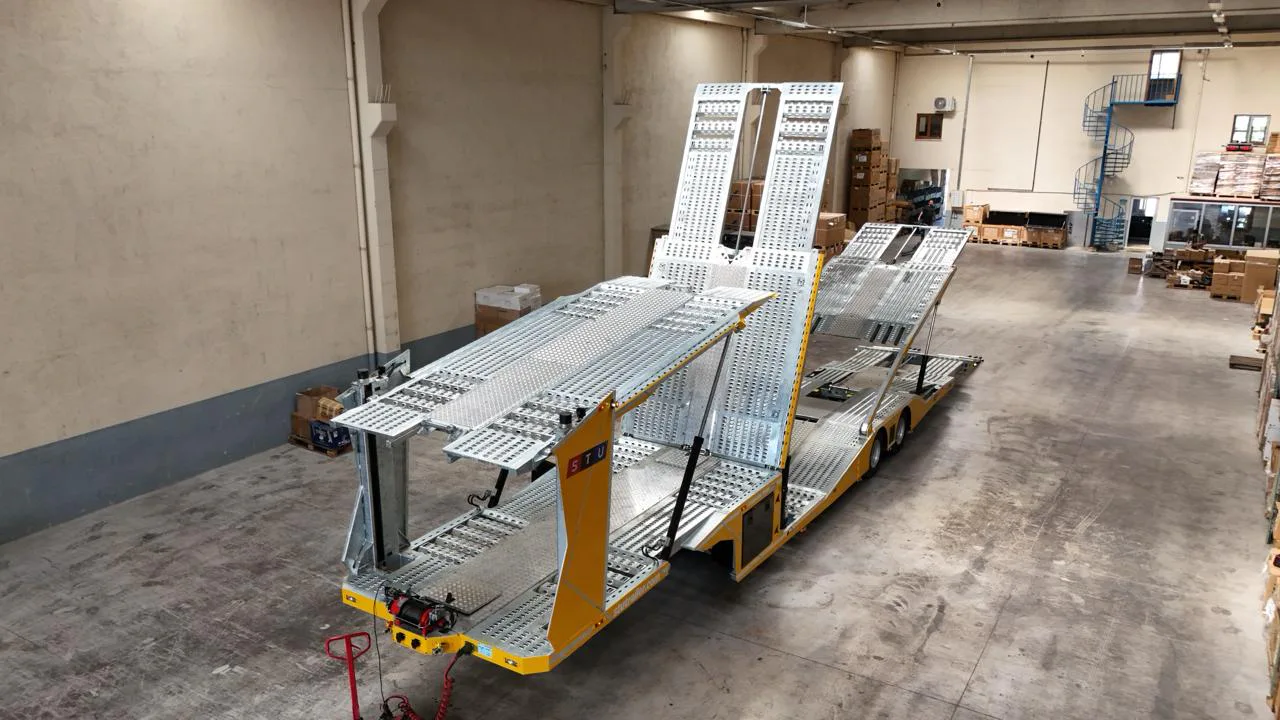
MC700 Steel Frame, Built to Order
Steel of high strength delivers maximum load capacity with minimum weight.
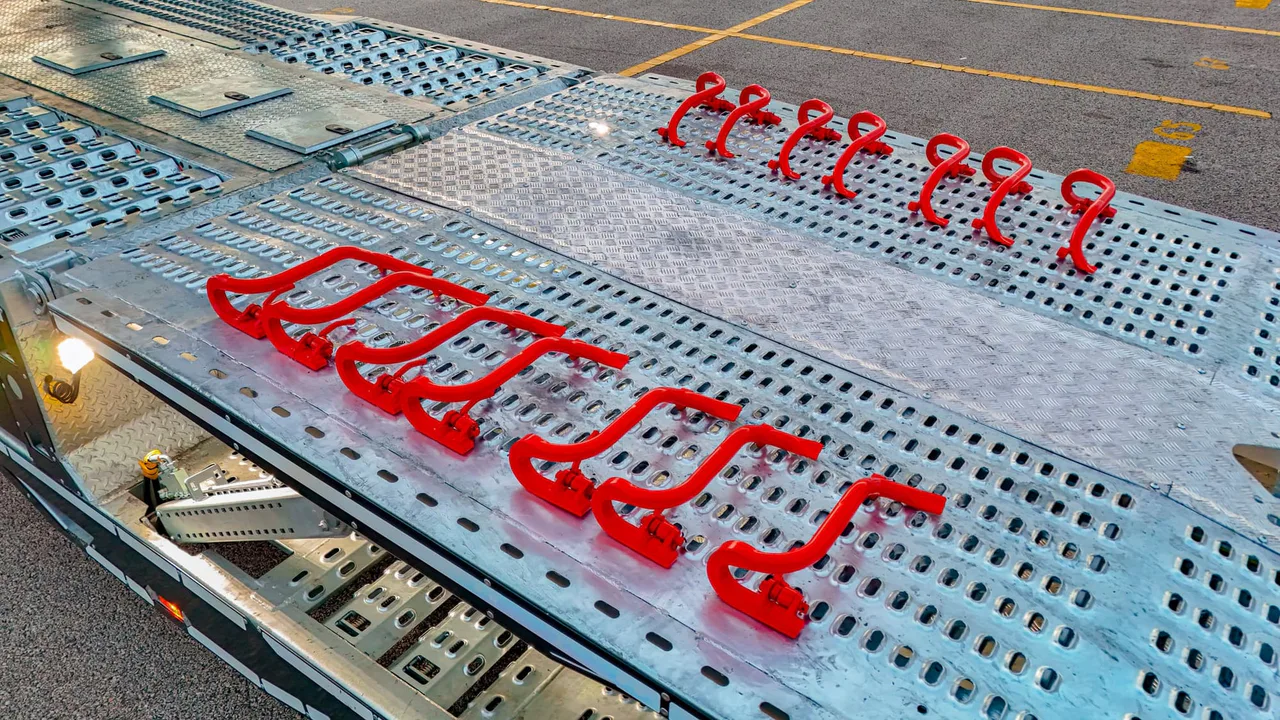
Adjustable Wheel Chocks
Set to the wheelbase of each vehicle so nothing shifts in transit.
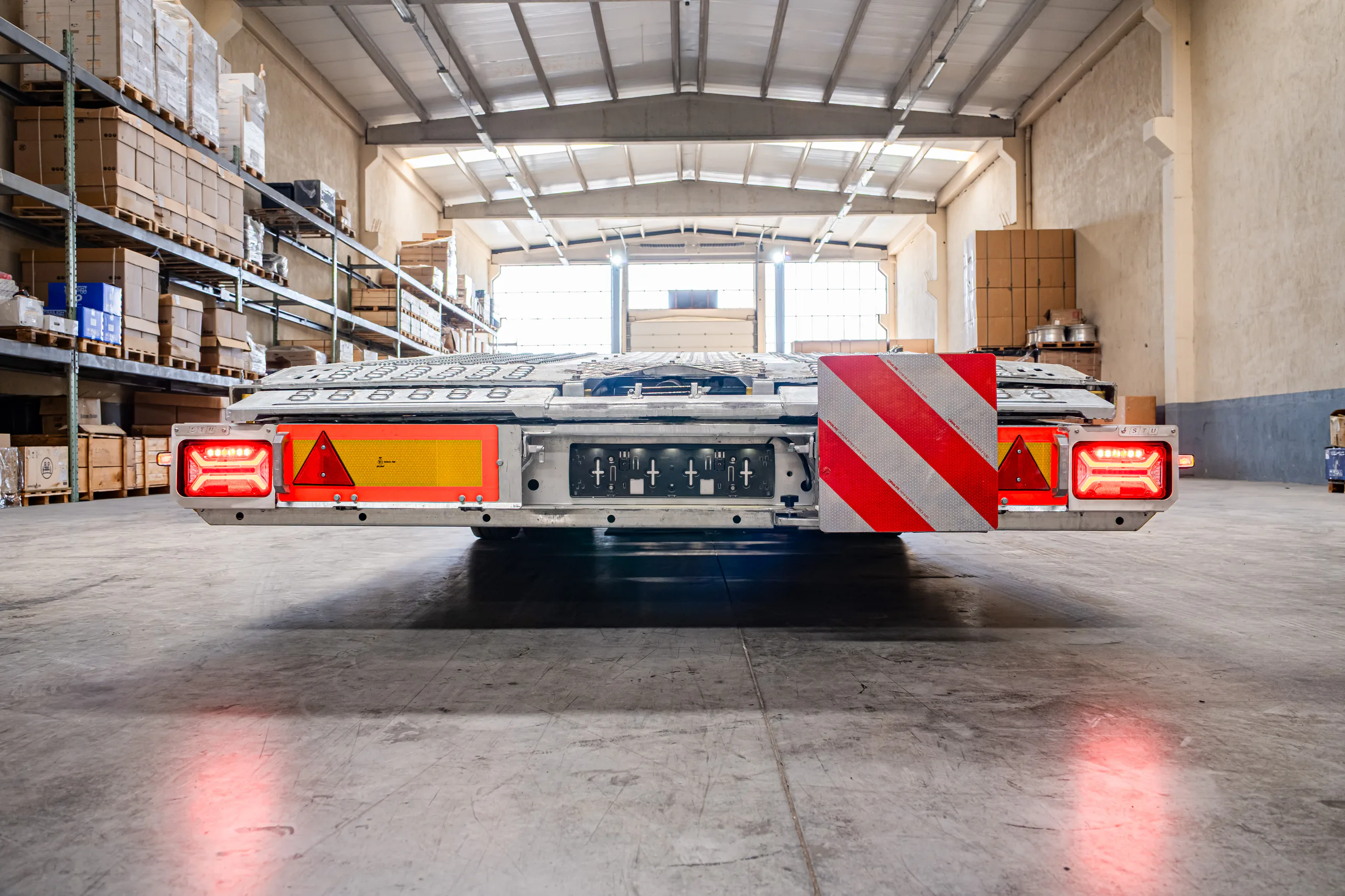
Integrated Aspöck LED Lighting
A complete road package for visibility and compliance, front to rear.
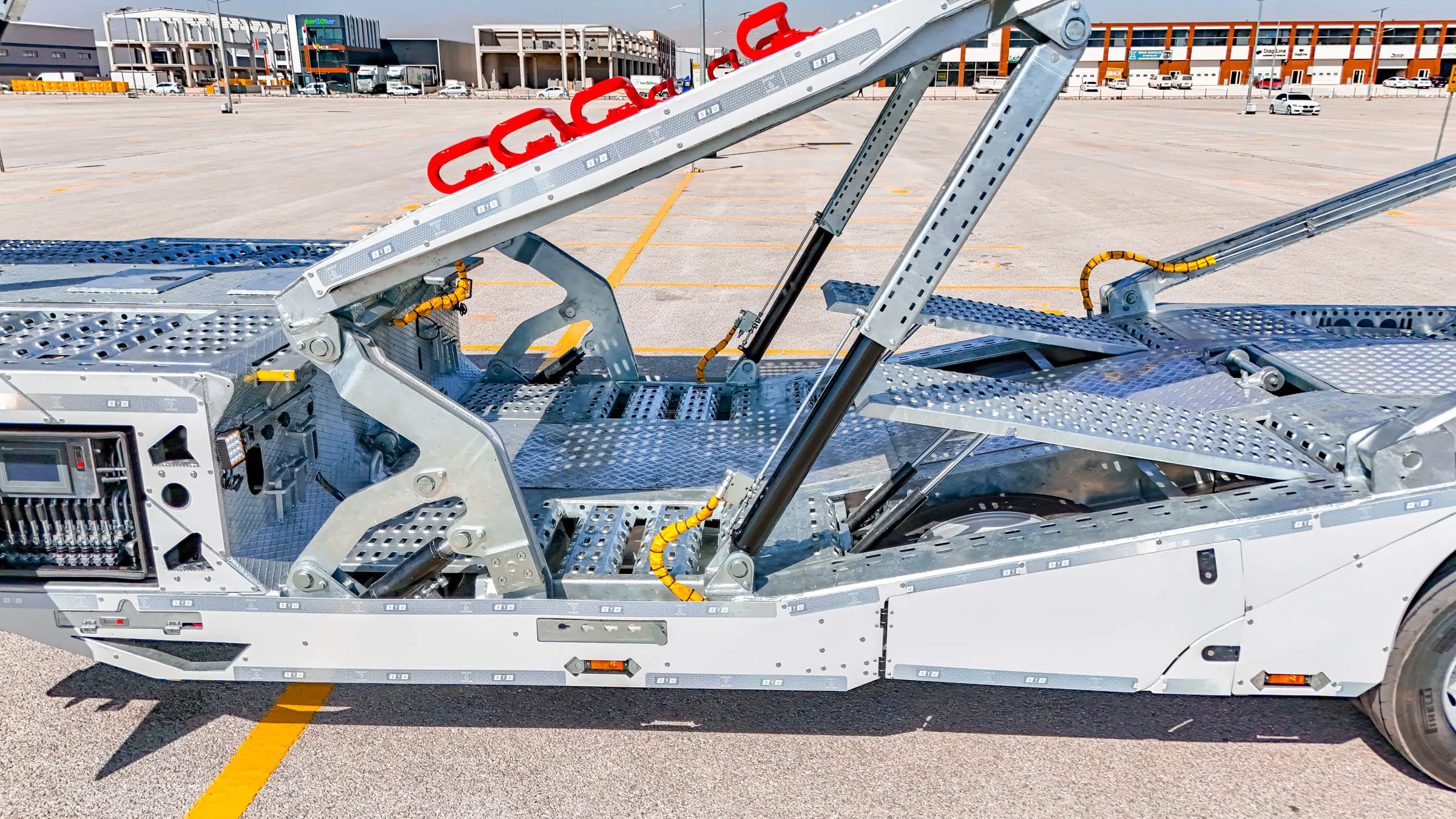
Scissor Lift on the Middle Deck
Raises the middle deck so a second vehicle can be carried above the first.
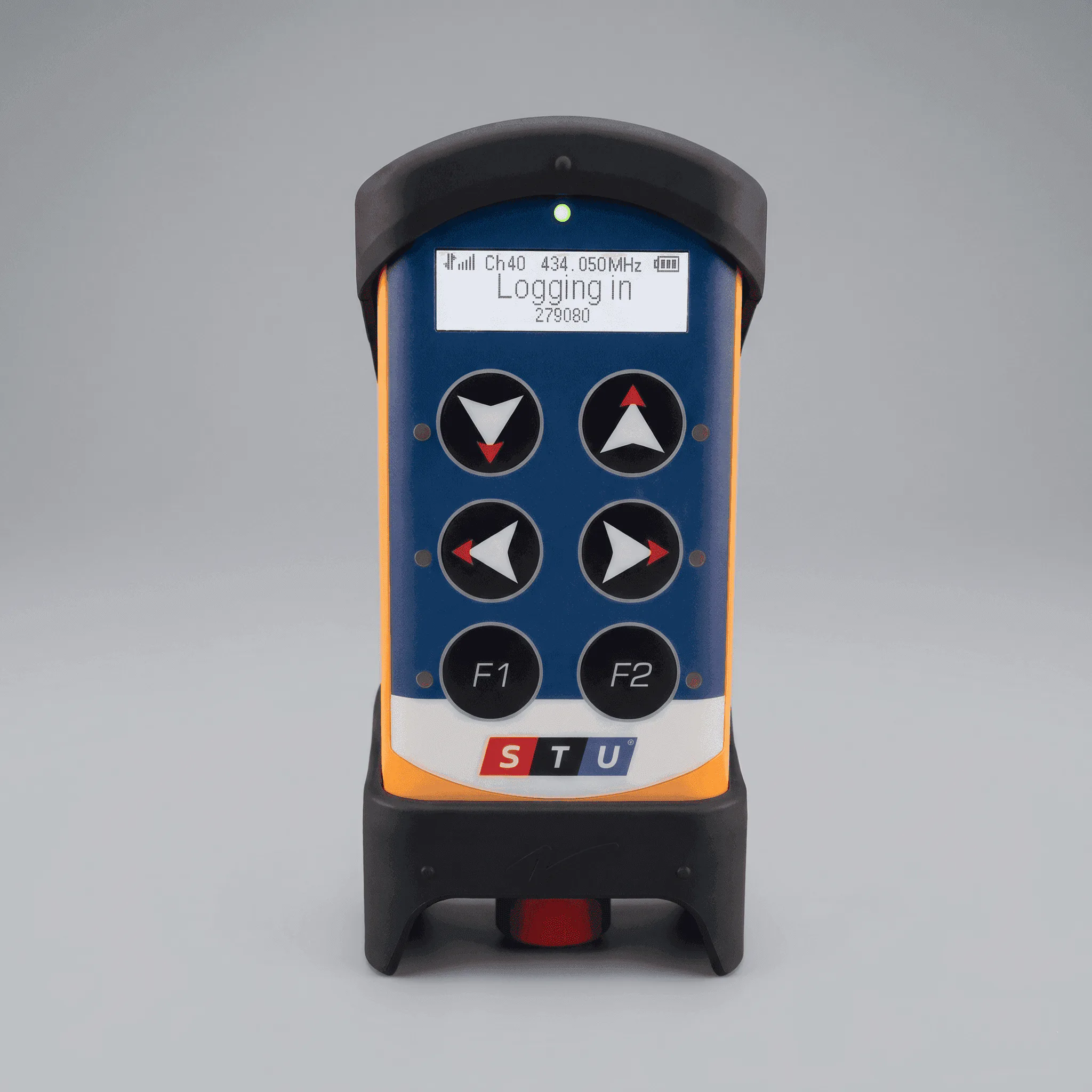
Tele Radio Remote Control
Every deck and extension is operated from the handset, without returning to the trailer.
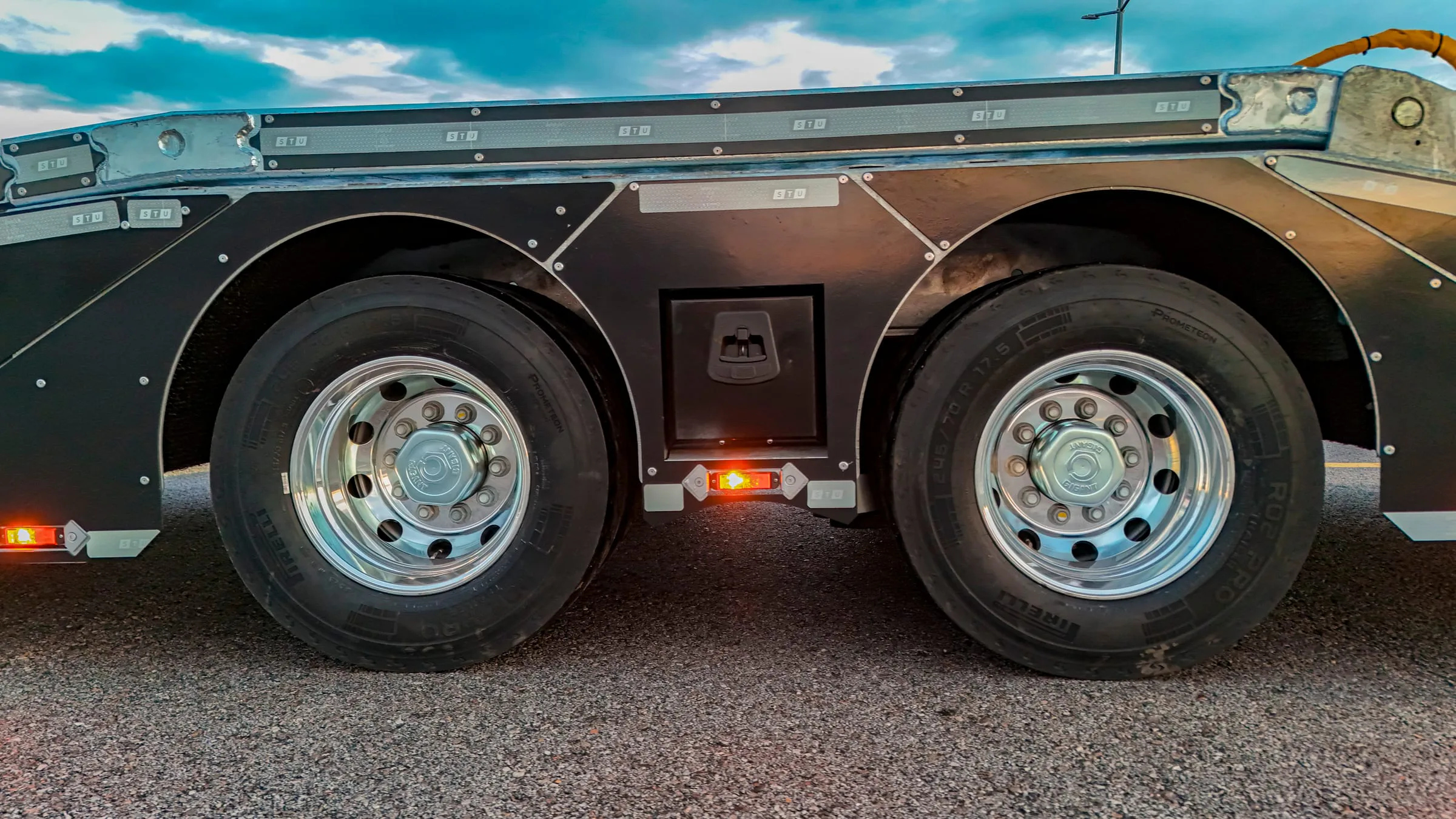
Available Axle Brands
SAF, GIGANT, BPW and TRAX axle options are available by specification.
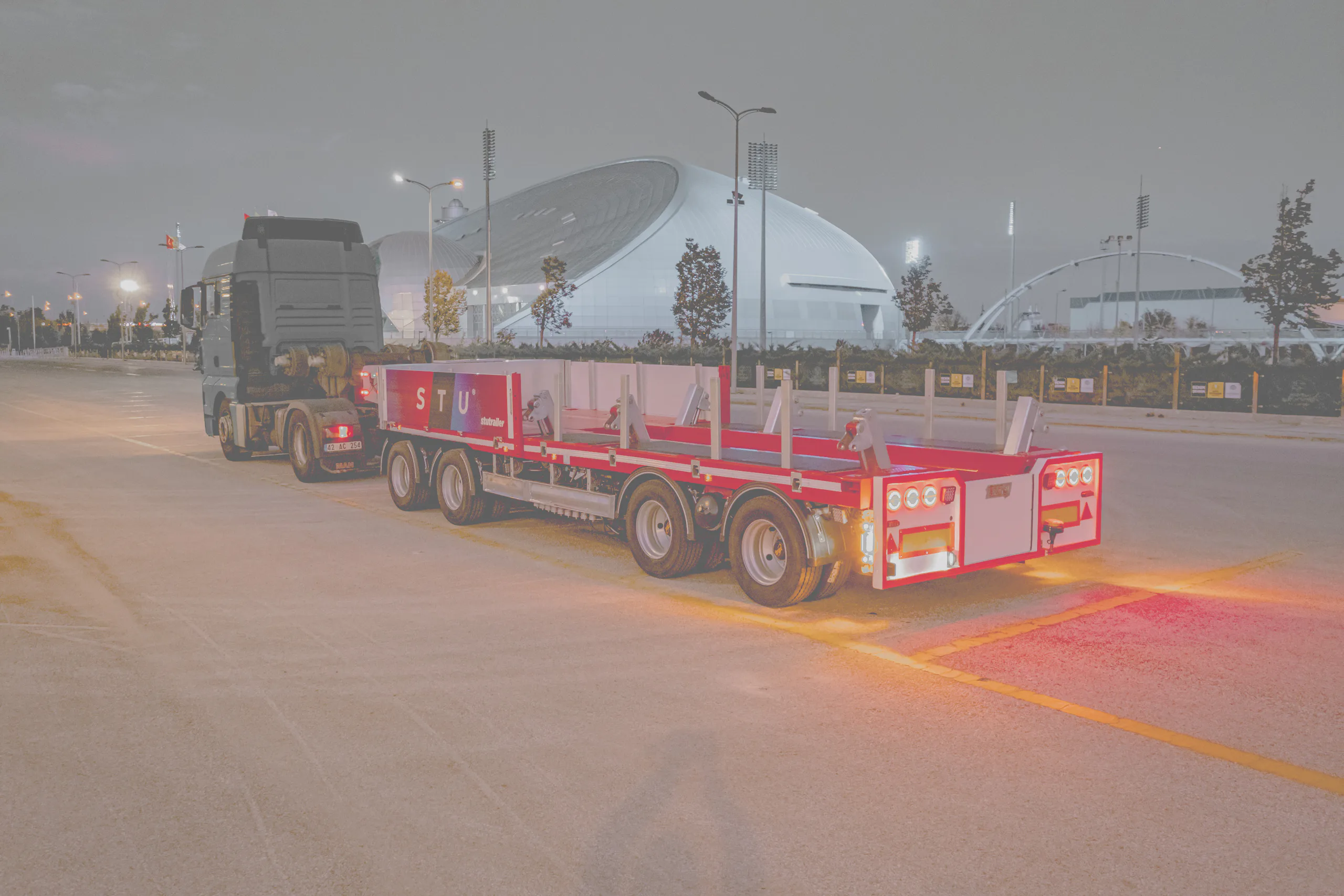
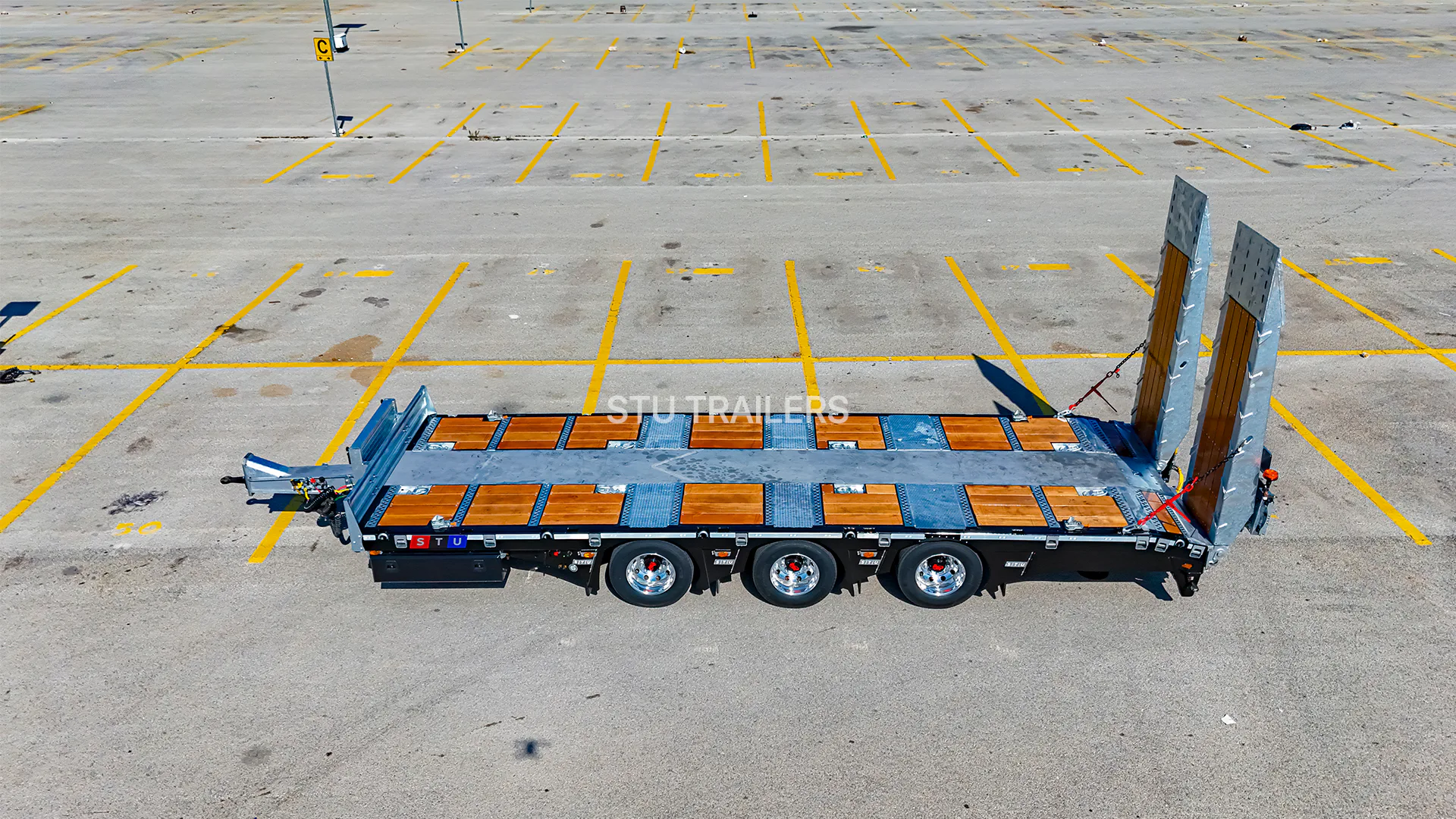
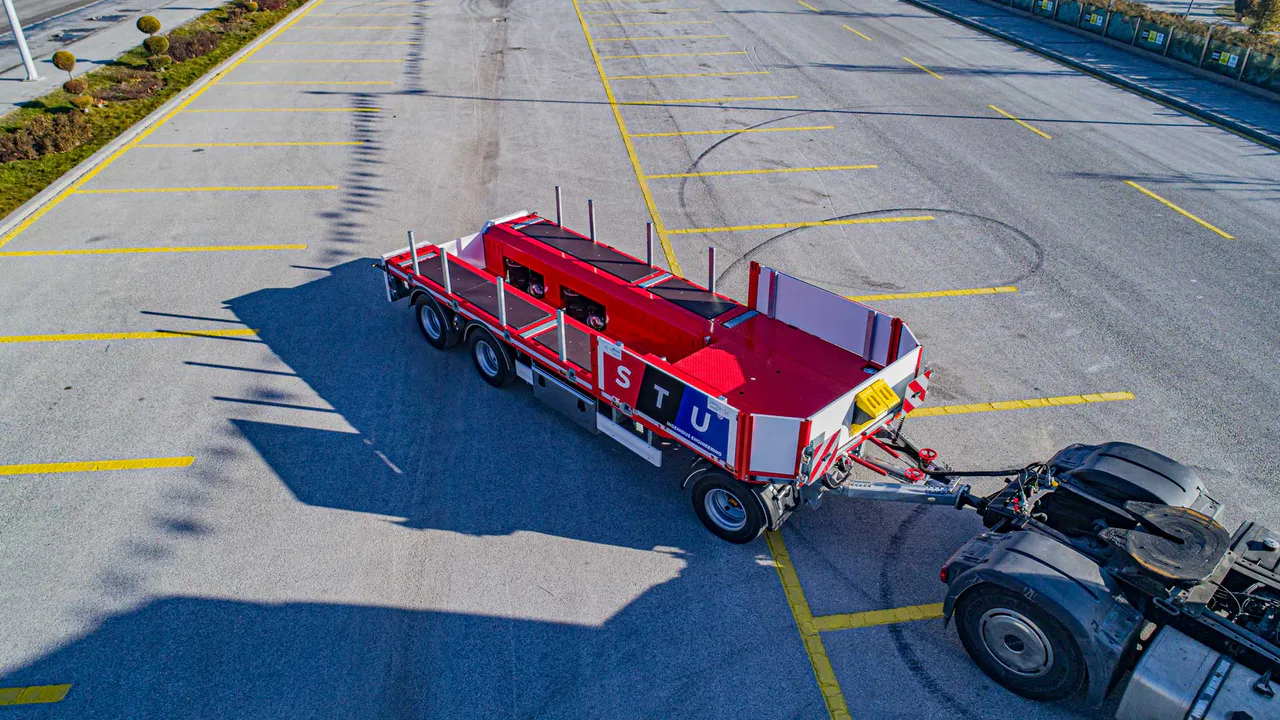
Heavy Transport Chassis Engineering
STU drawbar trailers are engineered for commercial transport applications with durable chassis structures, configurable dimensions and bespoke payload requirements.
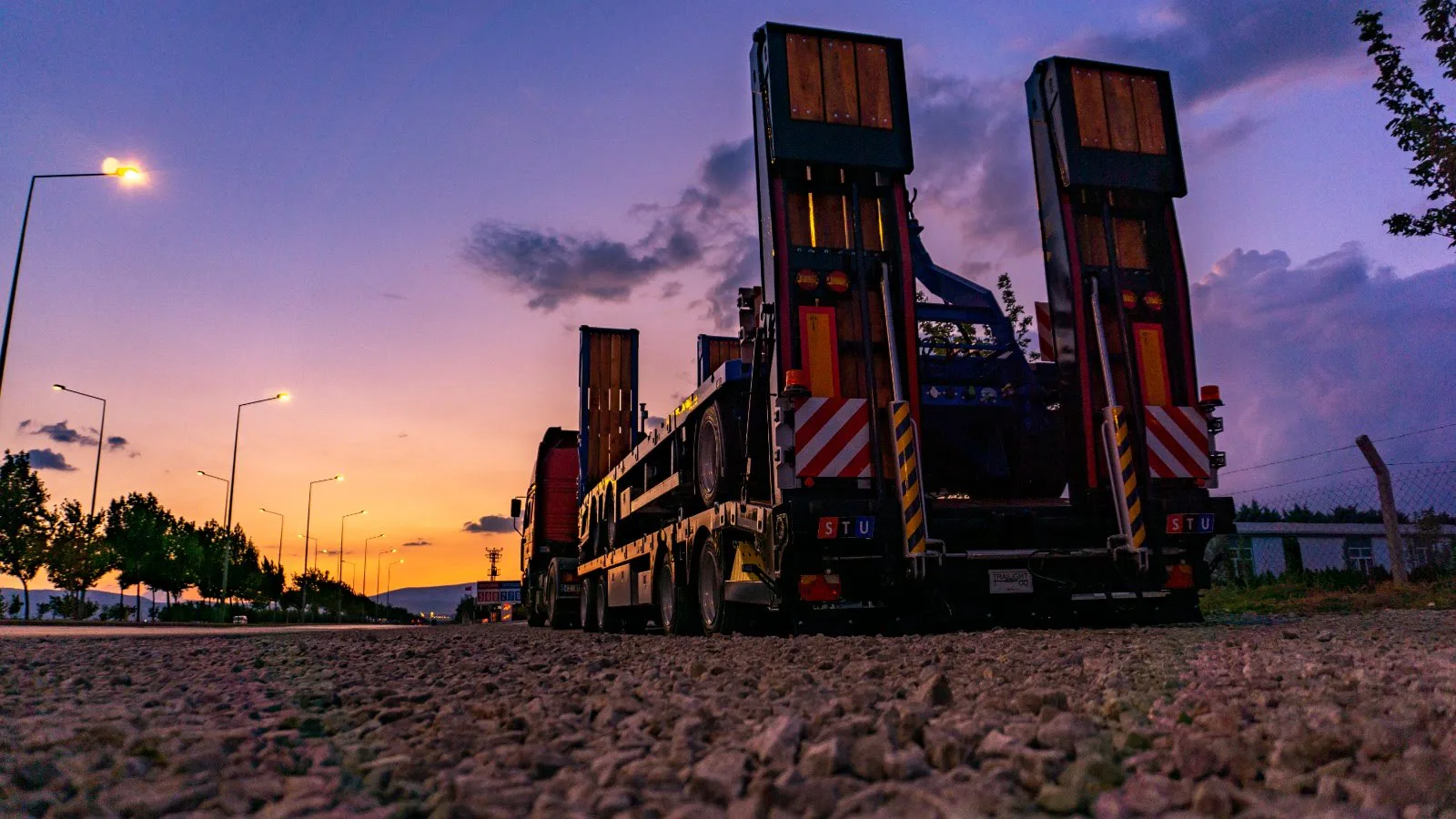
Flexible Transport Configurations
Available configurations can be adapted to cargo type, loading method, route conditions and local transport regulations for efficient daily fleet operations.
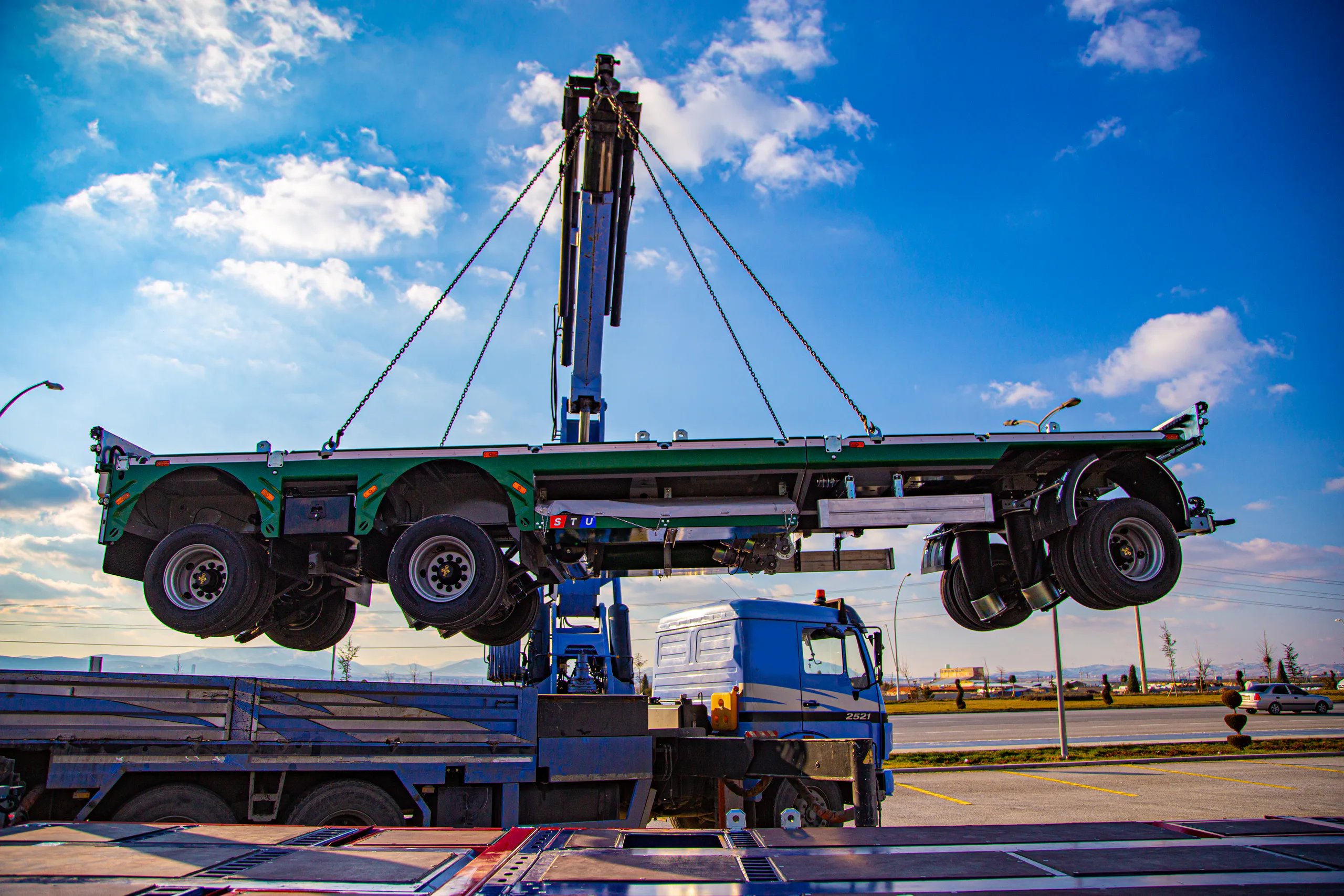
Axle, Suspension & Braking Systems
Axle, suspension and braking configurations are selected according to operating conditions, required payload, road regulations and customer specifications.
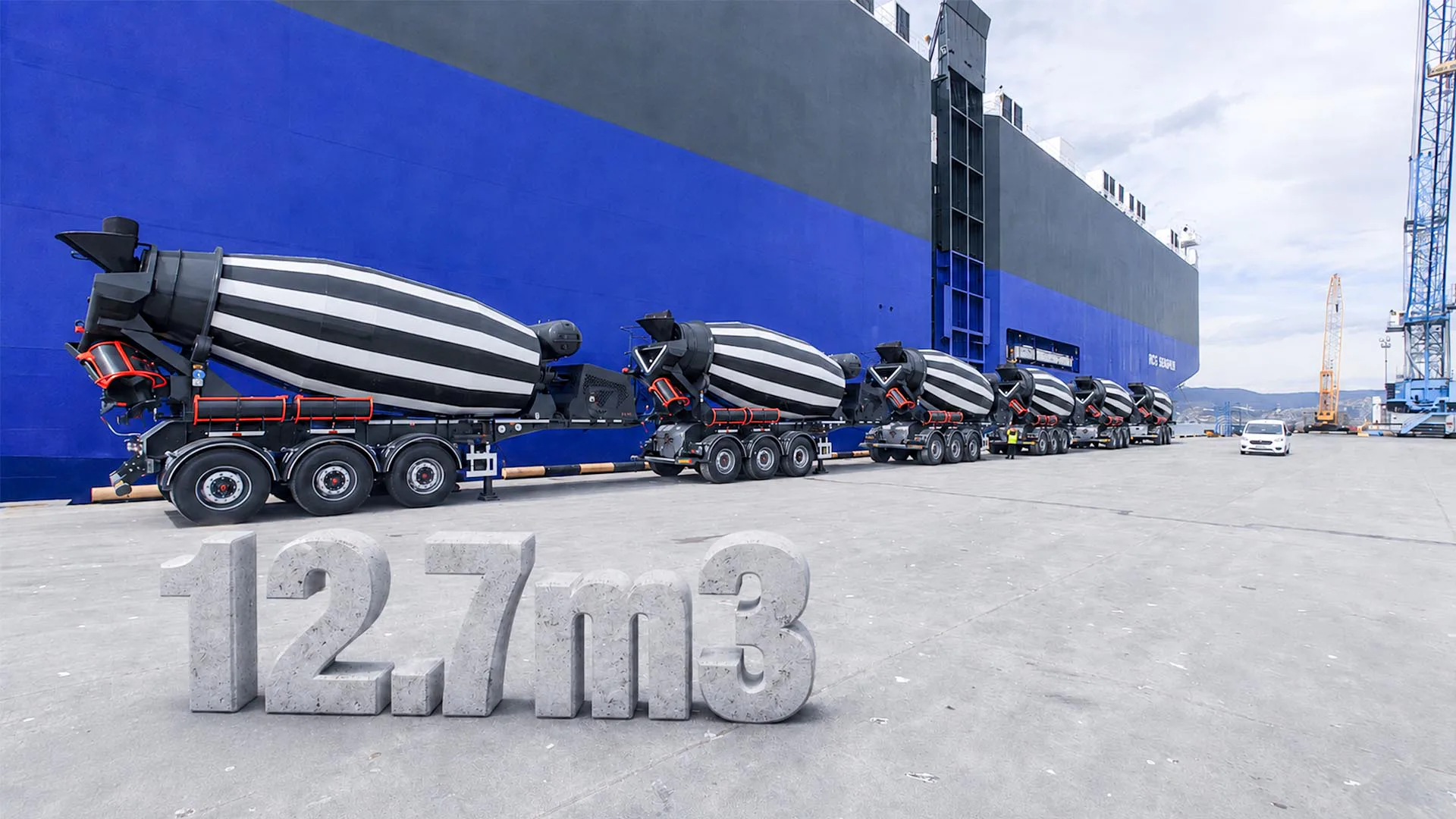
Built for European Transport Operations
Designed for demanding commercial transport operations across Europe and international markets, with configurations tailored to customer, cargo and destination requirements.
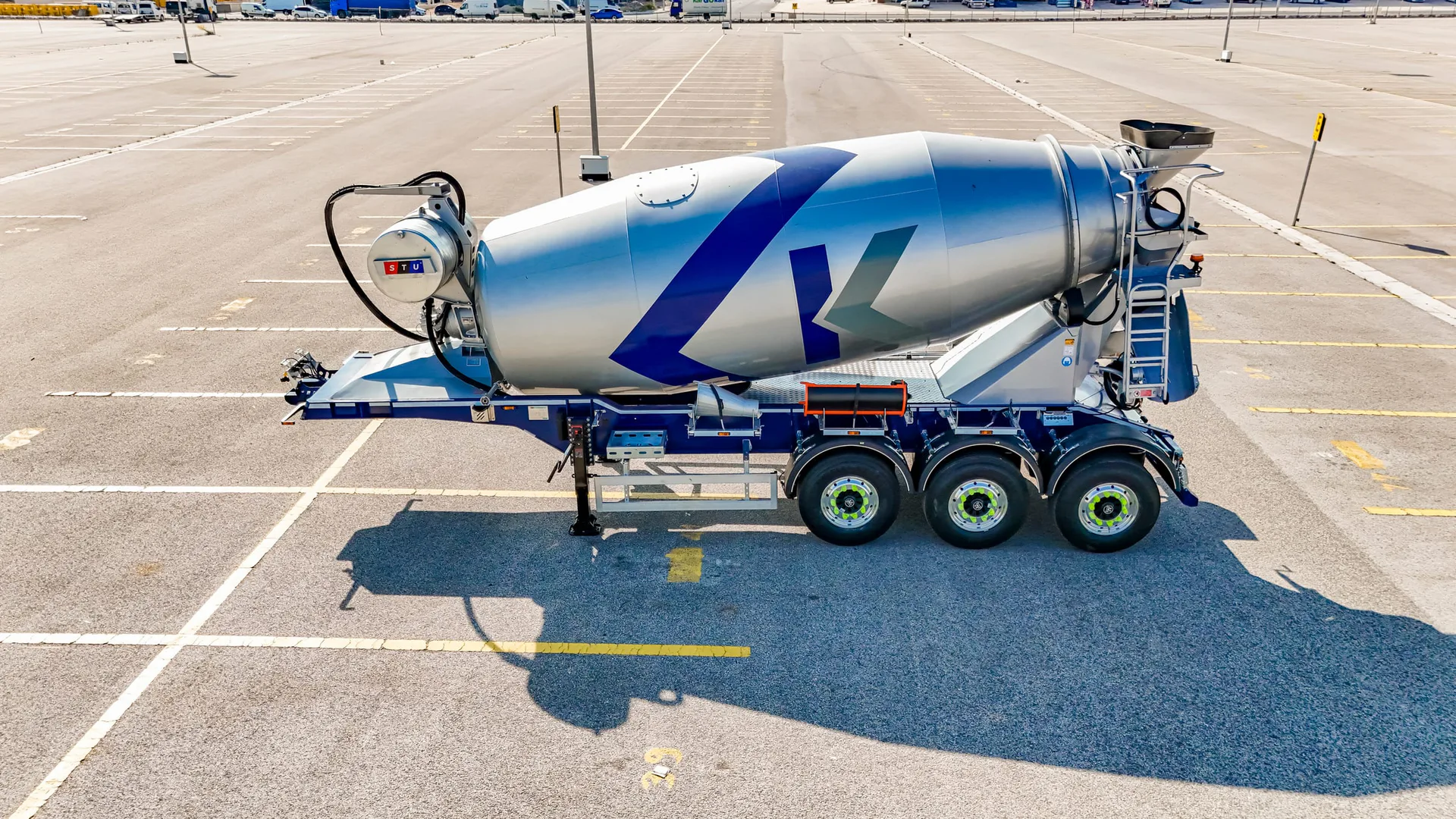
Reinforced Drum Design
Robust mixer drum built for continuous operation under extreme conditions with Hardox Steel.
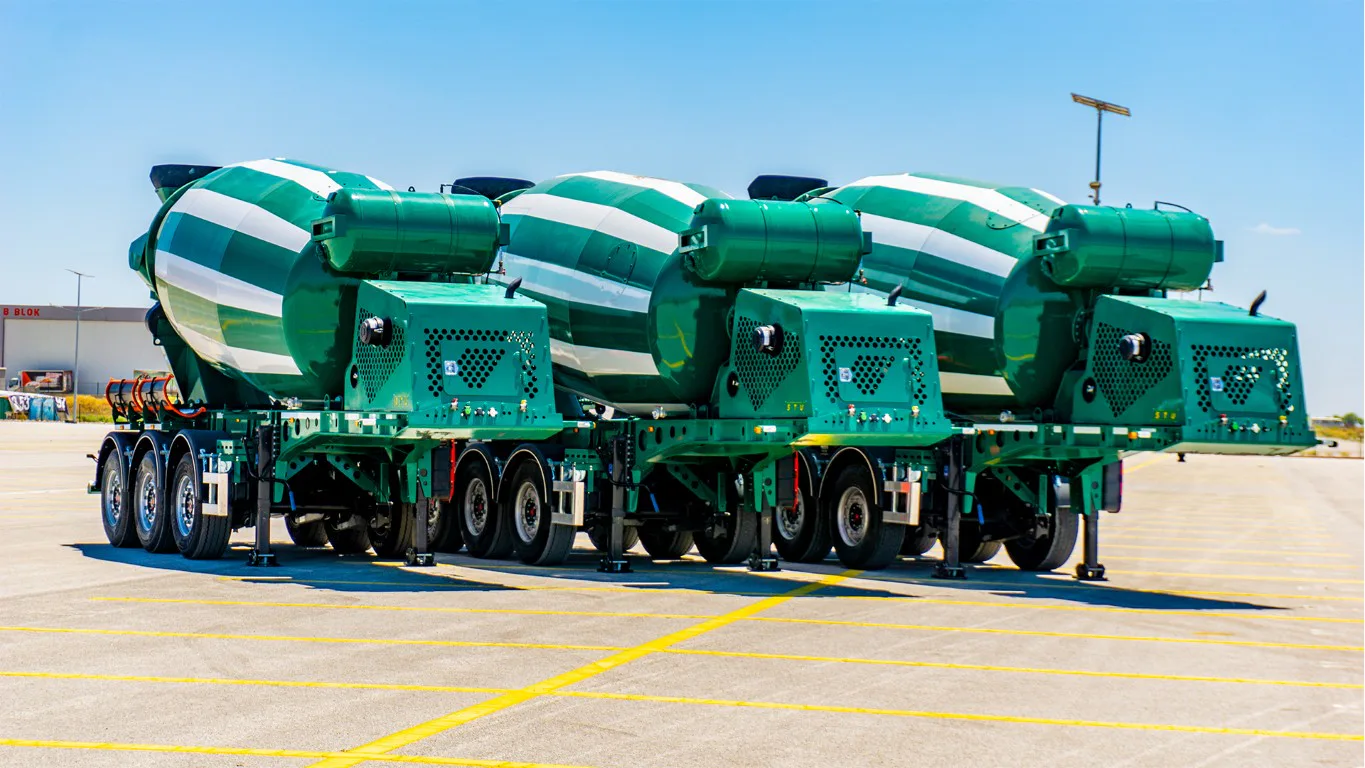
Manual and Electric Drum Controls
Rotation direction and mixing speed can be set by hand or electrically.
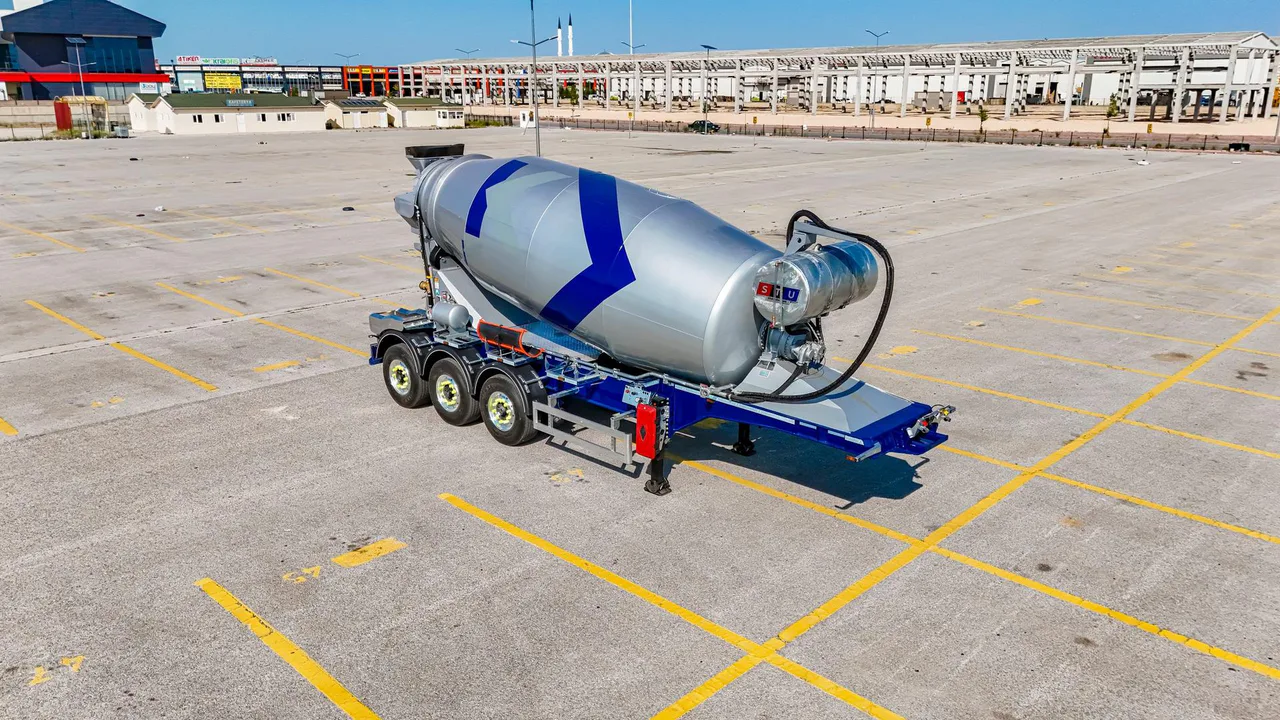
Heavy Transport Chassis
ST52/MC700 steel subframe engineered for 12 to 14.7 m³ payload capacity.
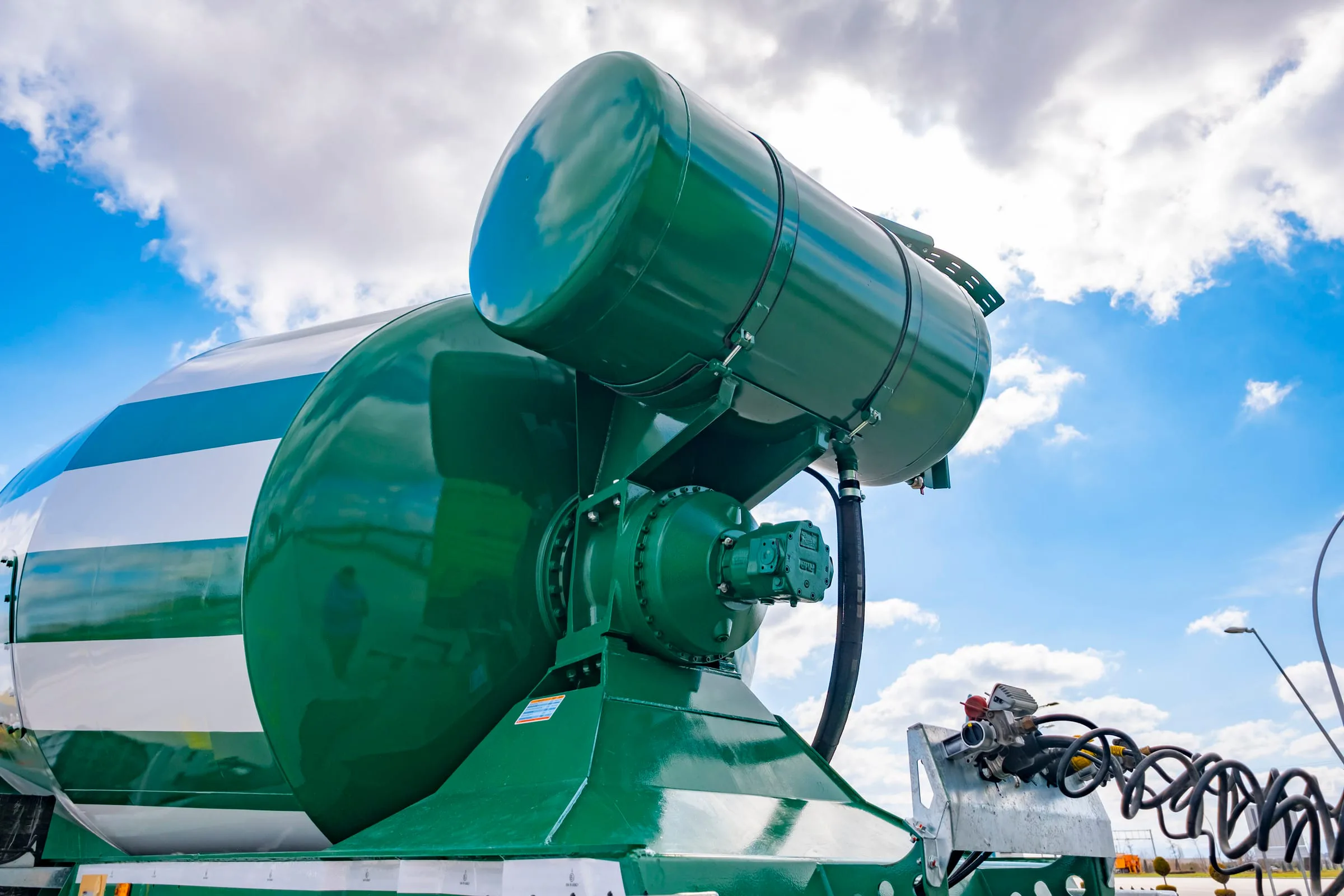
Water Tank and Discharge Chute
Onboard water and a directed chute for pouring where the site needs it.
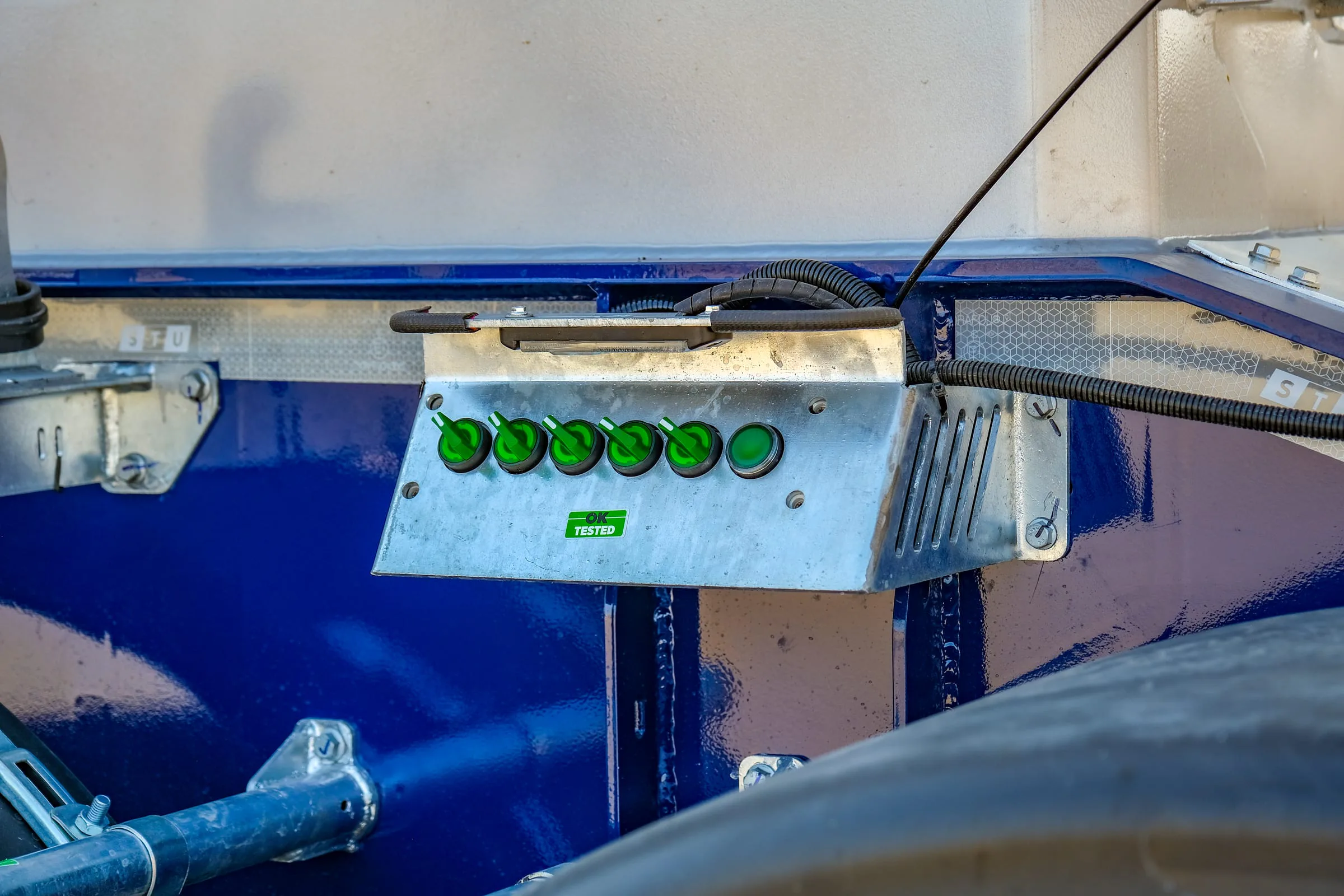
Lighting Control Panel
Switches the working and road lighting from one place, day or night.
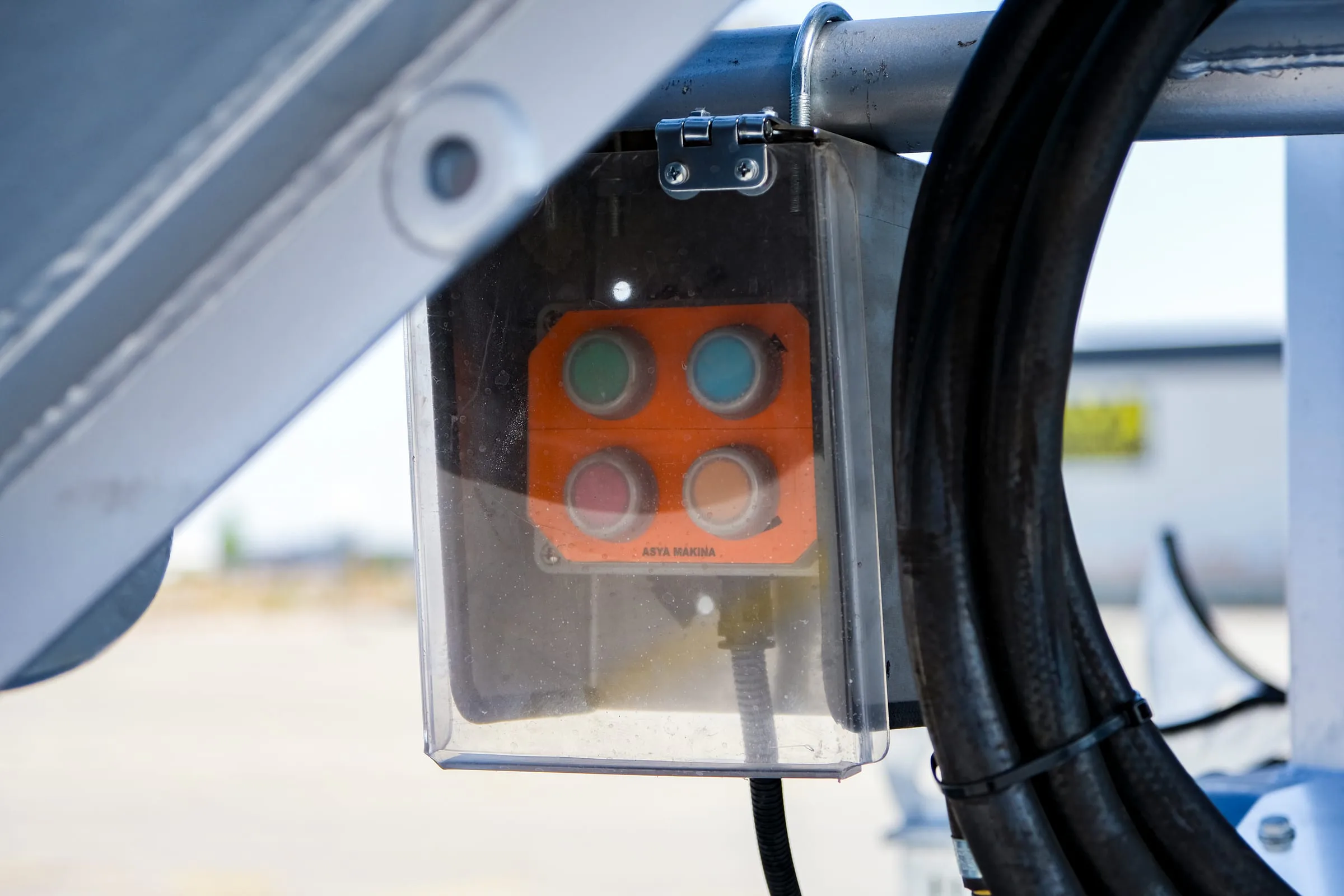
Drum Direction and Speed Controls
Rotation direction and mixing speed are both set from the panel.
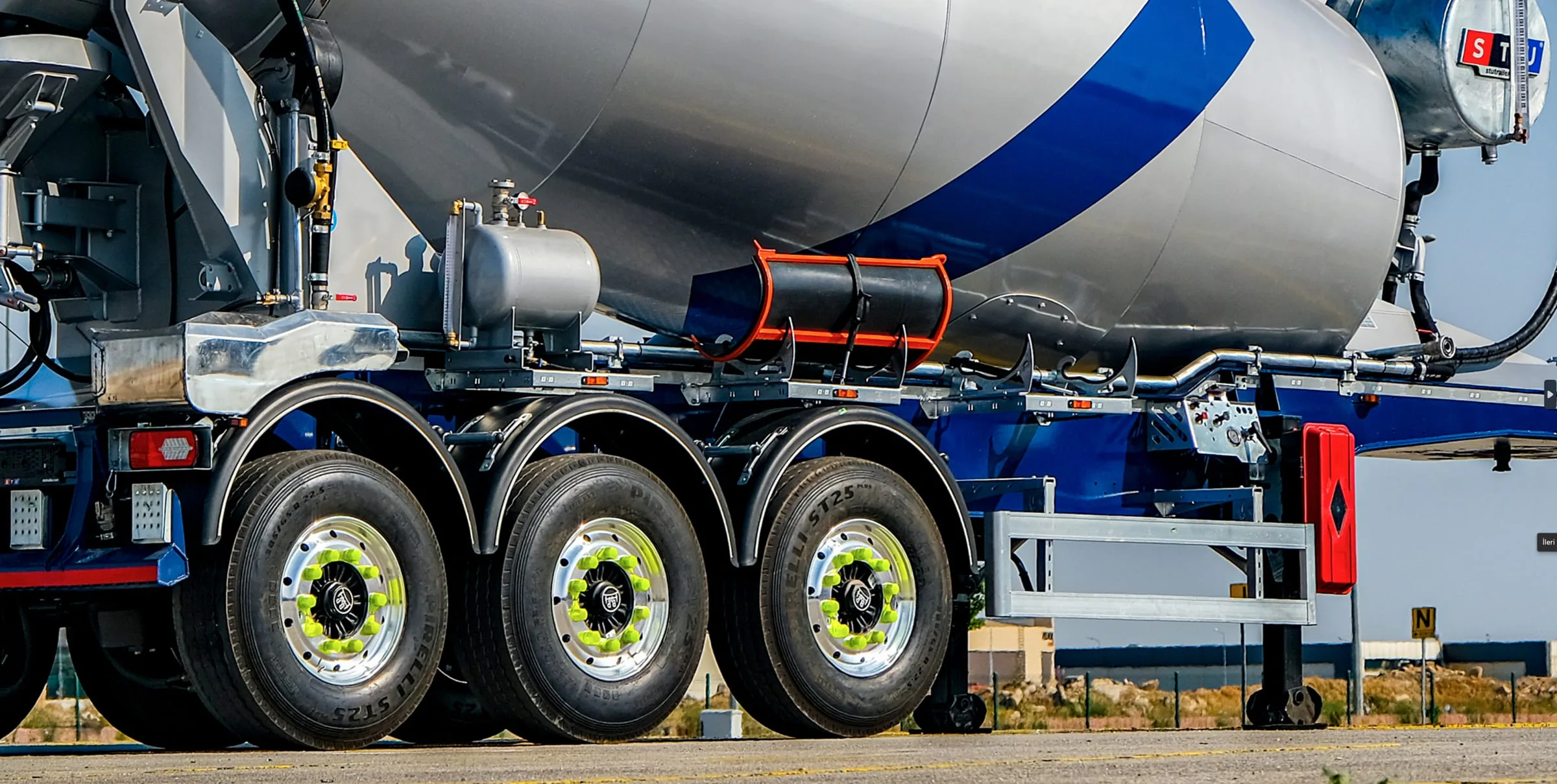
Available Axle Brands
SAF, GIGANT, BPW and TRAX axle options are available by specification.
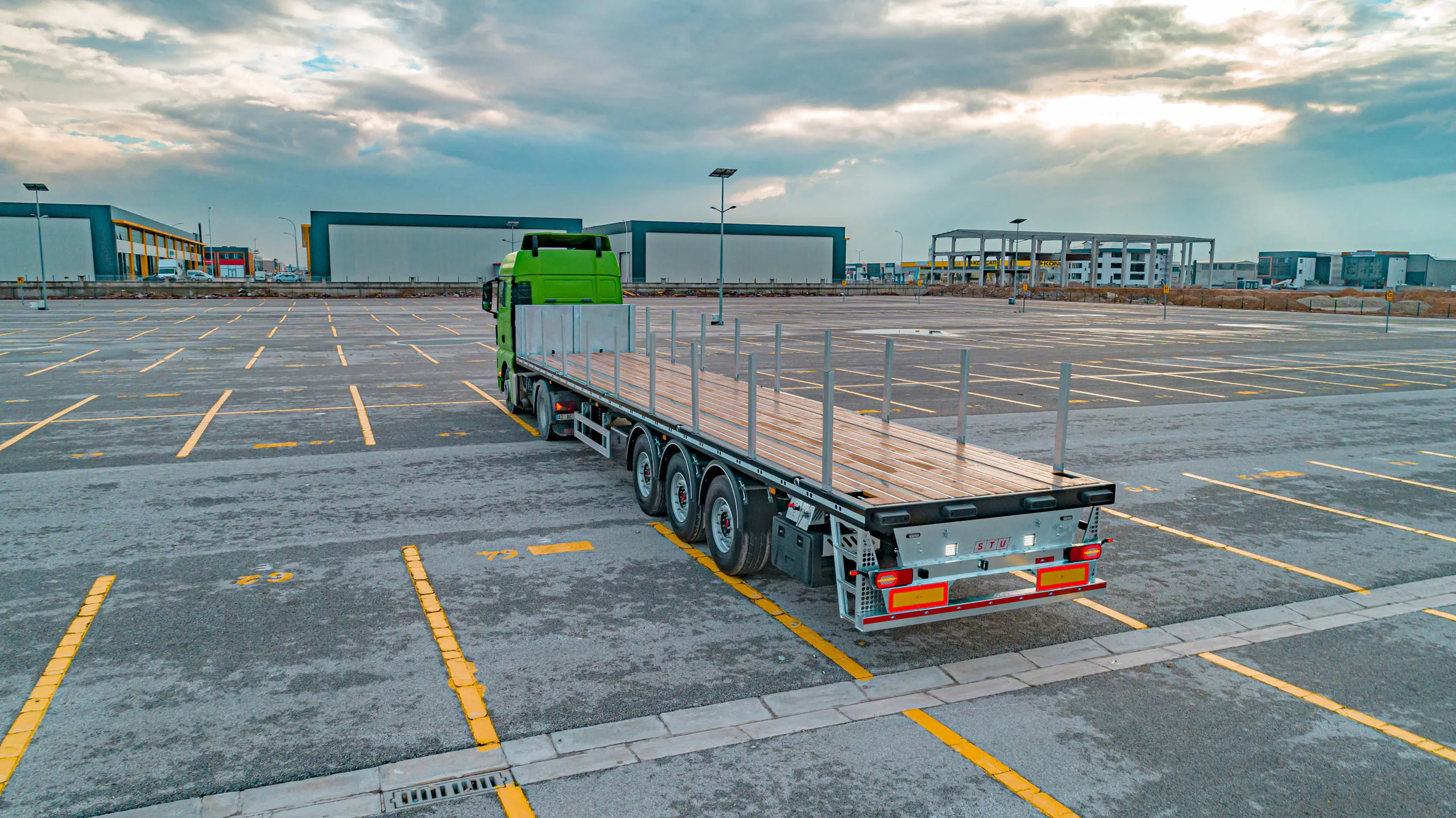
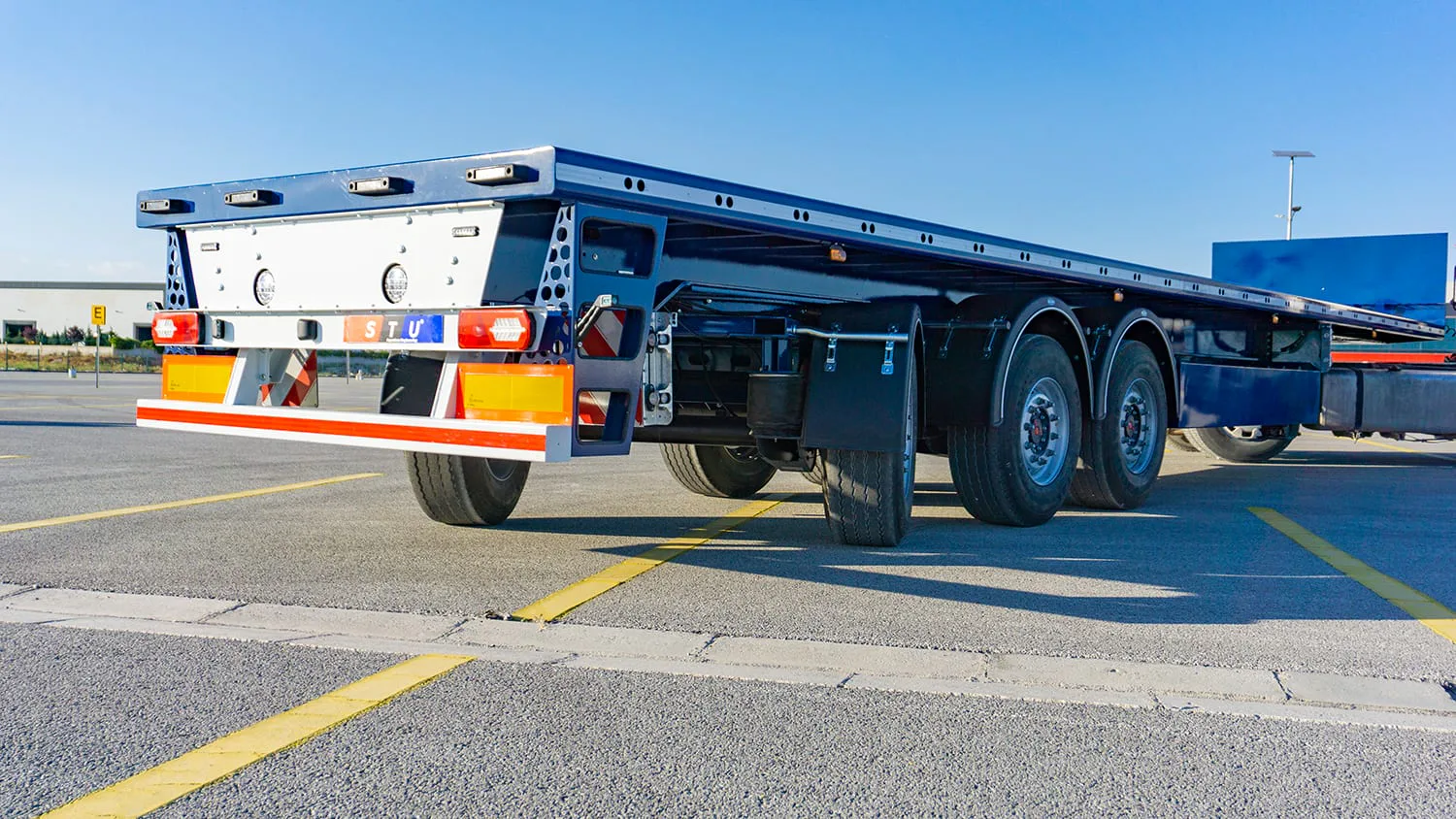
Reinforced Platform Deck
A full length steel floor that takes mixed cargo of up to 30 tonnes.
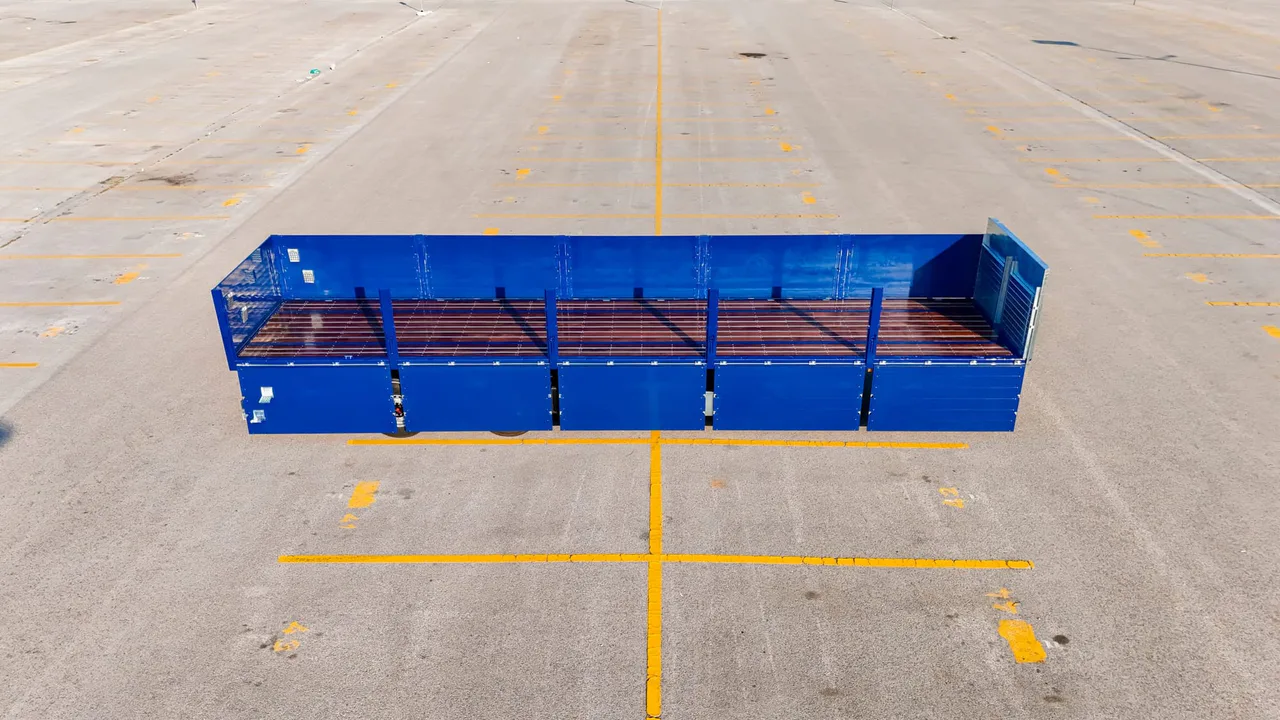
Aluminium Side Walls
Hold the load in place at road speed and come away when the deck is needed flat.
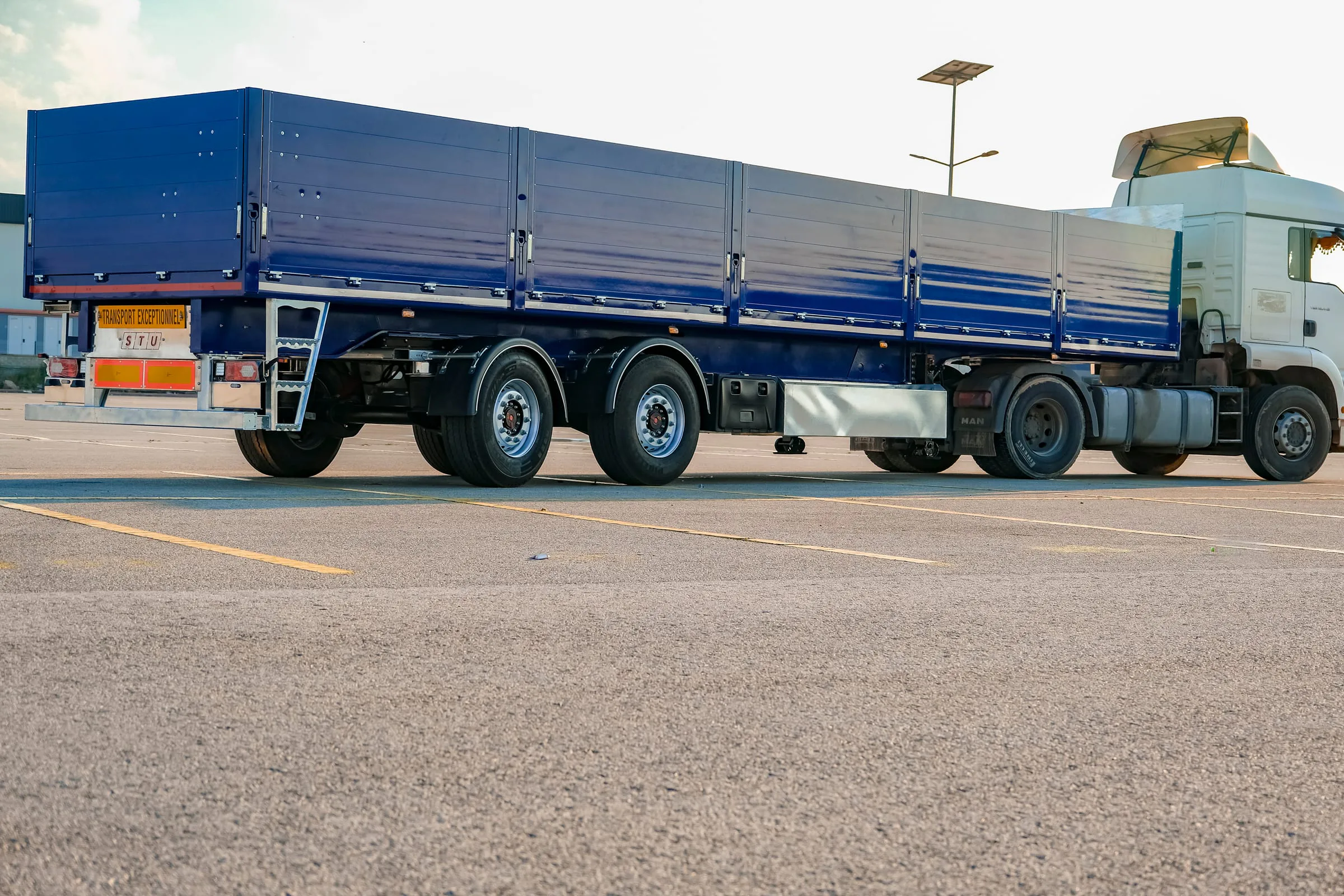
Mechanical Steering on the Rear Axle
The rear axle follows the turn, which tightens the turning circle on narrow corners.
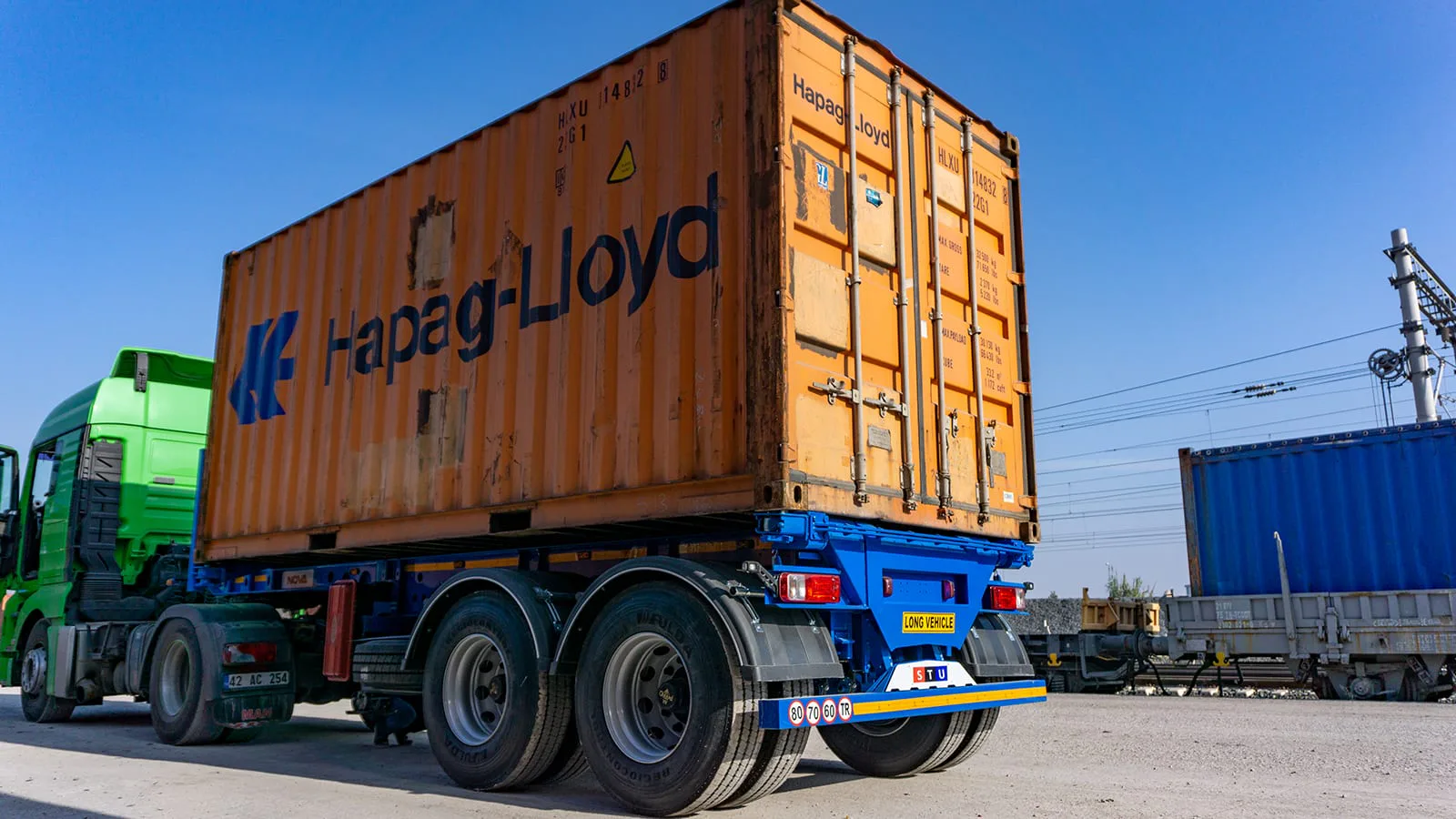
Container Locks for Three Sizes
Fixed positions for 20 ft, 30 ft and 40 ft containers.
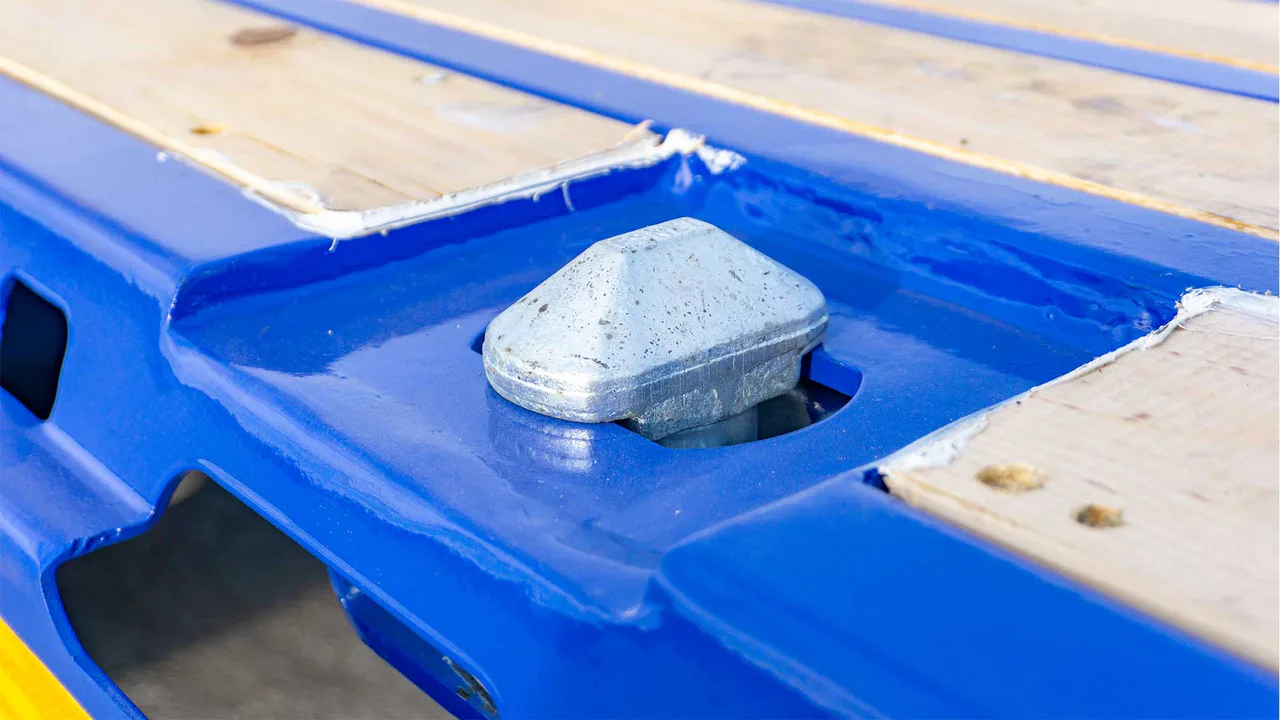
Twistlock Container Mounts
Standard ISO twistlocks for secure container transport compatibility.
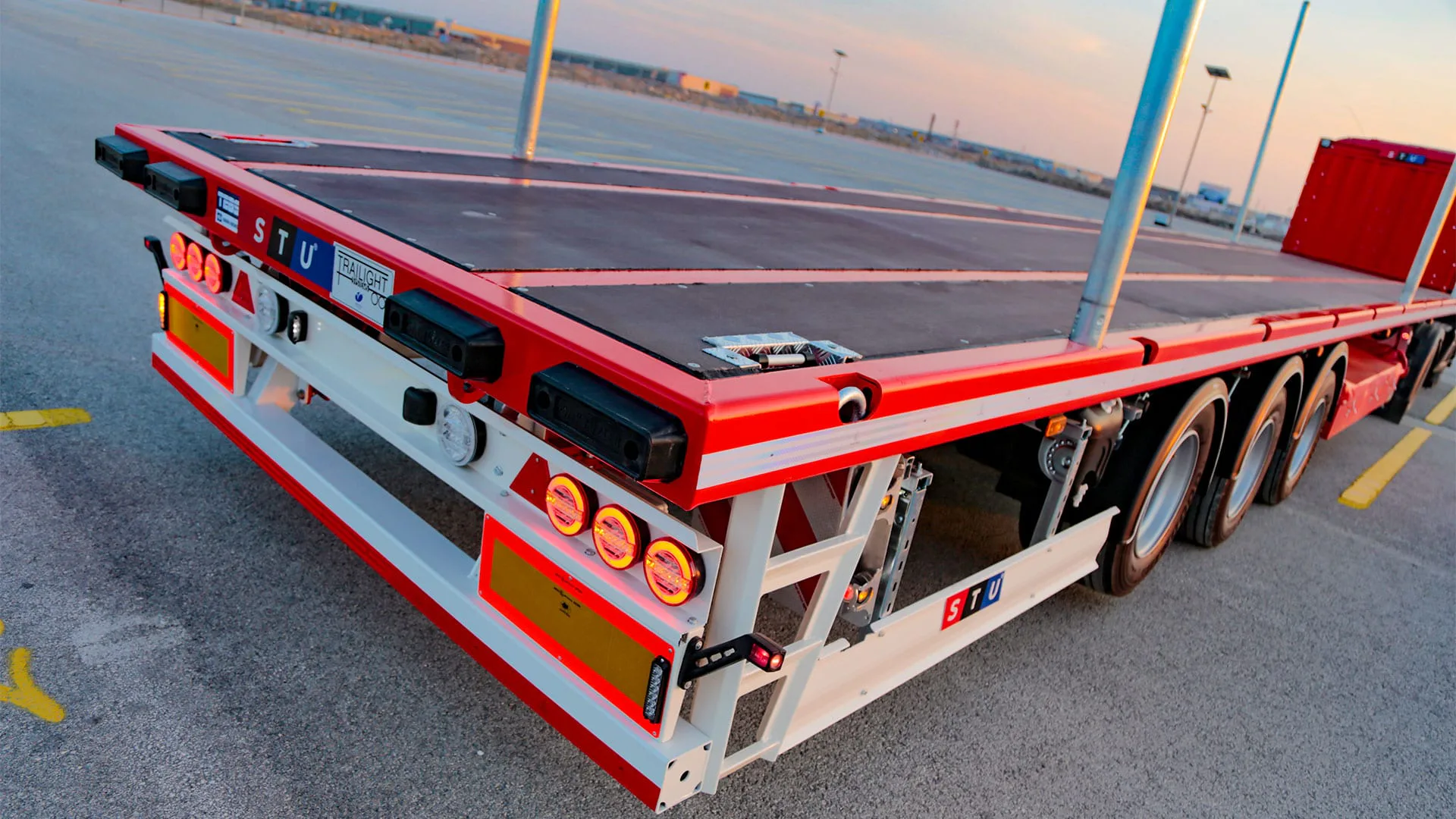
Plywood or Tropical Hardwood Decking
Both decking materials are available, depending on the load and the climate.
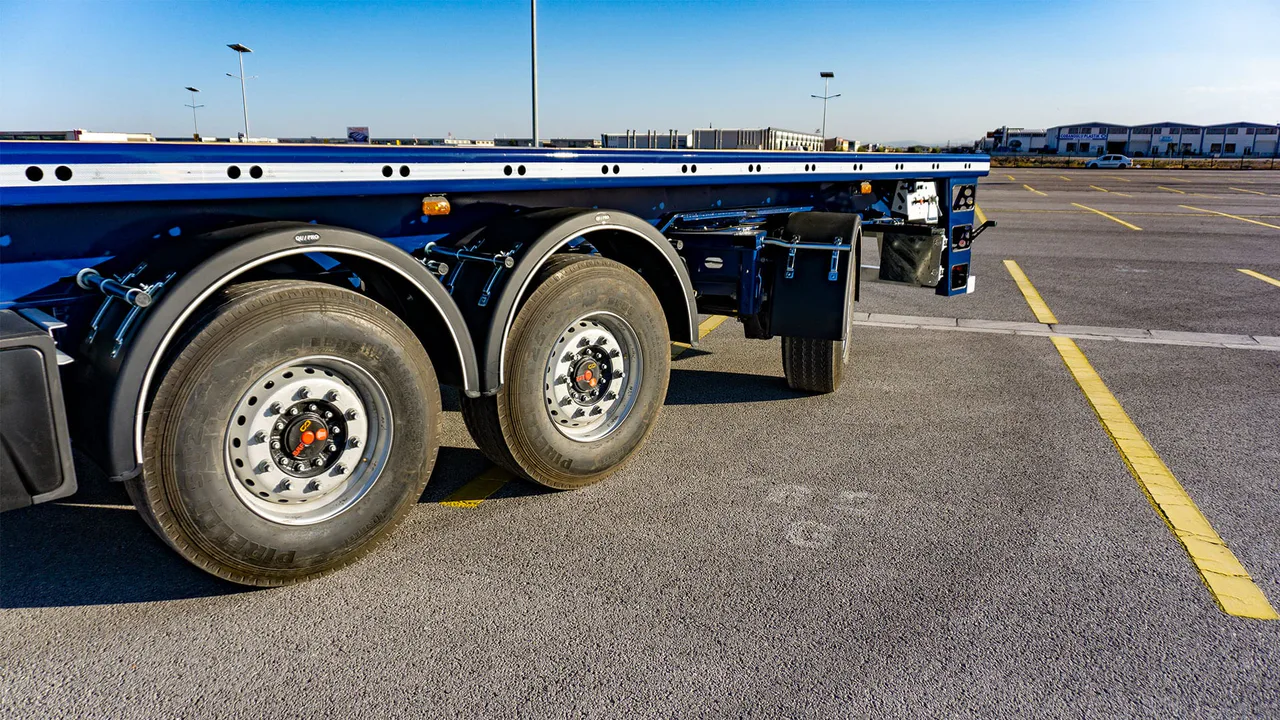
Available Axle Brands
SAF, GIGANT, BPW and TRAX axle options are available by specification.
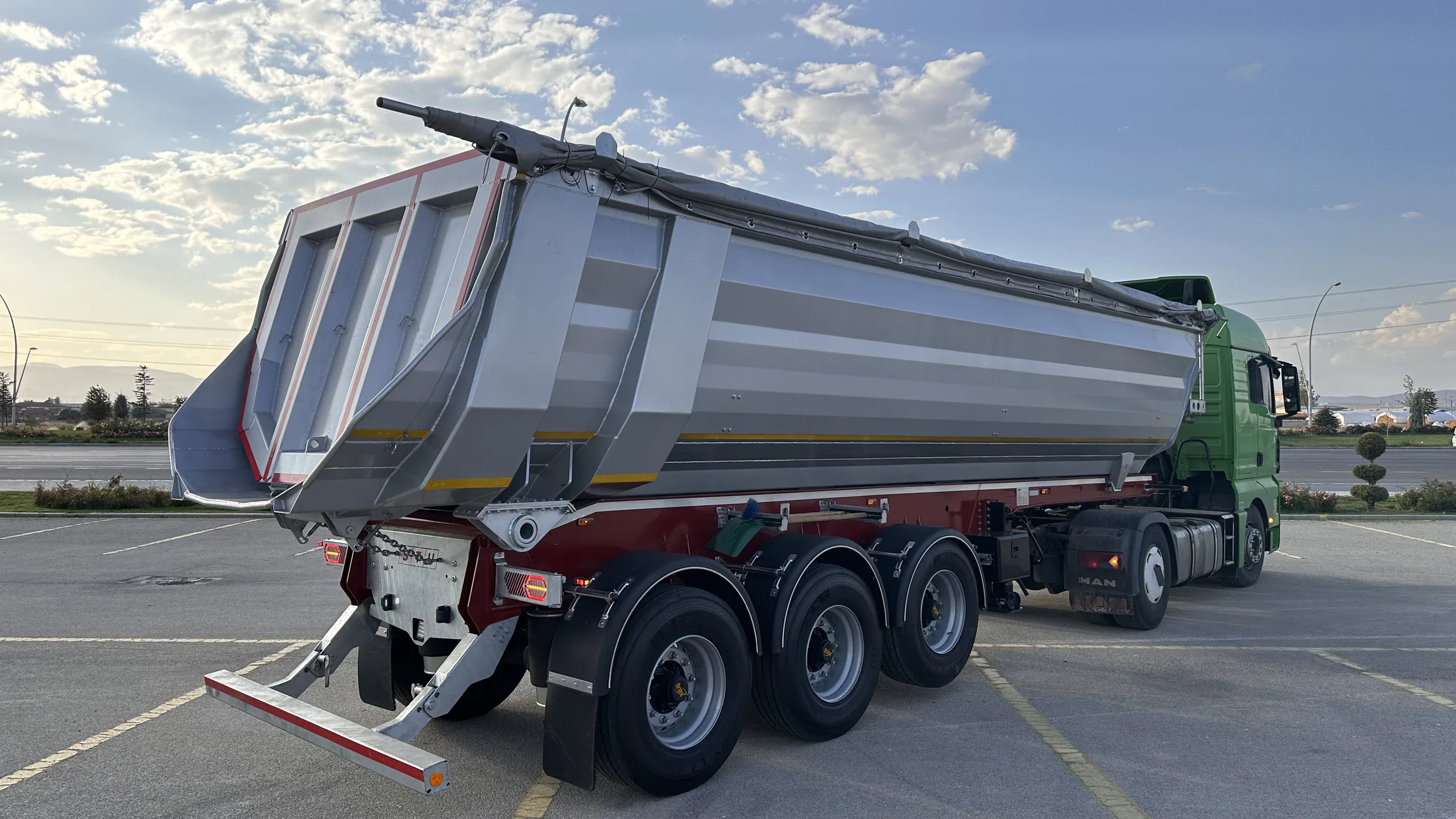
Tipper Trailers
Fast Unloading Cycles. High-Stability Tippers for Bulk Construction Materials.
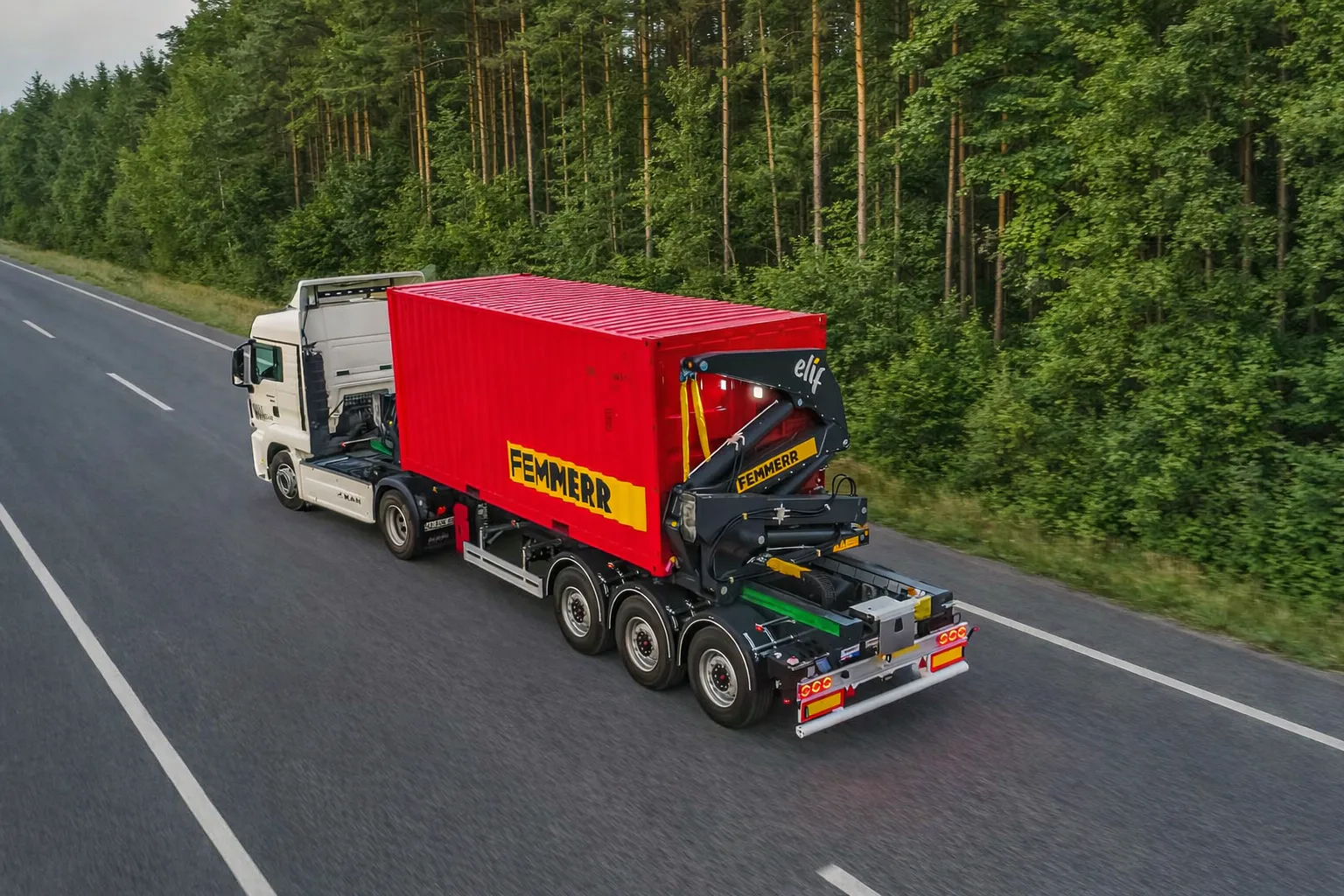
Sidelifter
Autonomous Container Loading and Ground-Level Transfers Anywhere.
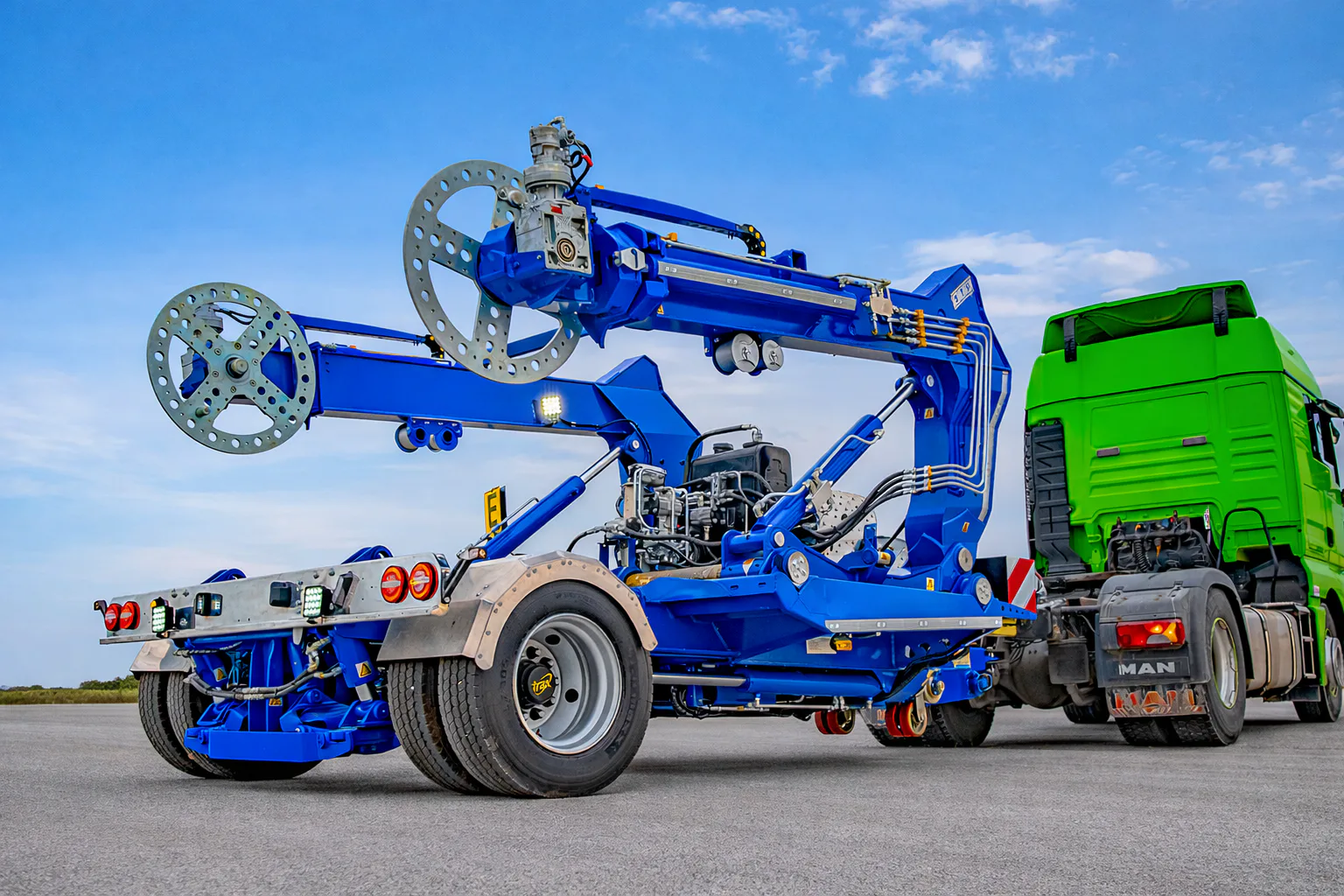
Reel Cable Roller Trailer
Specialized Drum Trailers for Safe Cable Transport and On-Site Trench Laying.
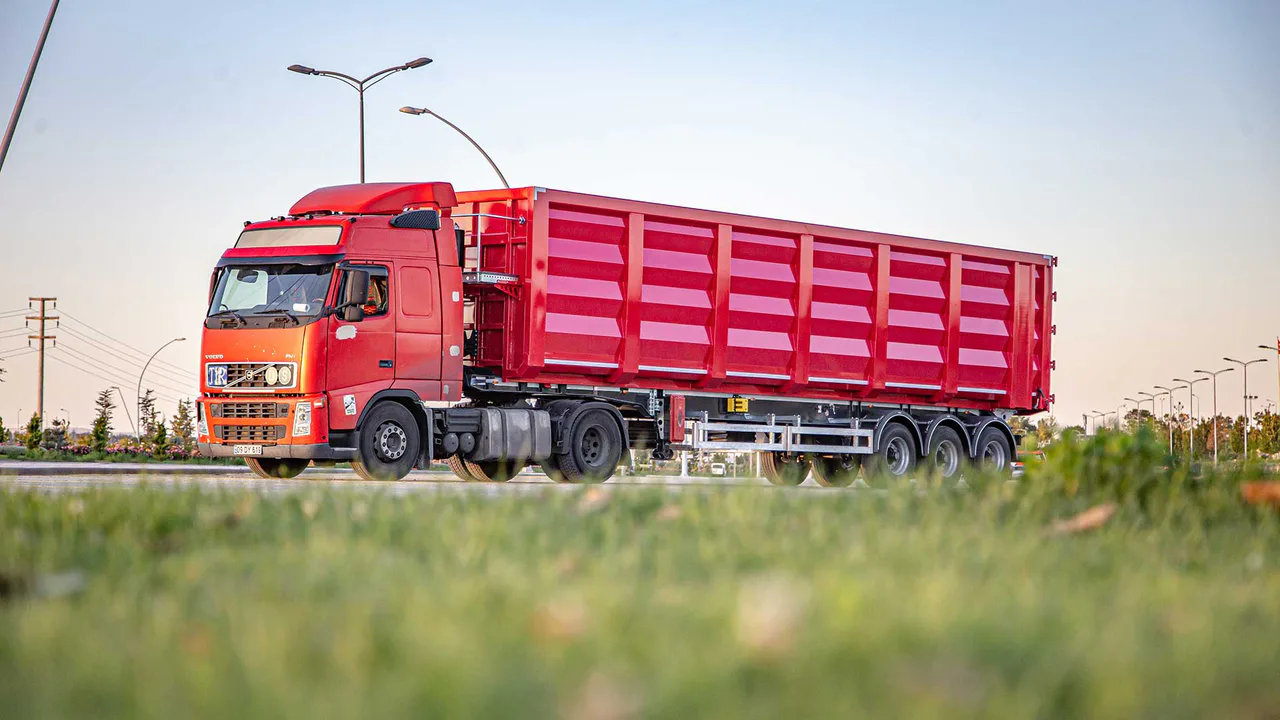
Tipper Semi Trailers
Built for Excavation, Scrap, and Bulk. Hardox Tipper Bodies from 22 to 80 m³.
STU Trailers at a glance
- Founded
- 2018
- Industry experience
- 20 years
- Production facility
- 3,000 m²
- Export markets
- 60 countries
Standards & compliance
- ISO 9001
- ISO 14001
- SA8000
- TÜV
- TÜV-CERT VDI 2700
- CE
- COC
Product Catalogue
Browse every STU TRAILERS® model in a single PDF: specifications, options and variants laid out for quick reference.
Download Catalogue